
 FACULTY OF EXACT AND NATURAL SCIENCES
 FACULTY OF HUMANITIES
 FACULTY OF SOCIAL AND POLITICAL SCIENCES
 FACULTY OF PSYCHOLOGY AND EDUCATIONAL SCIENCES
 FACULTY OF ECONOMICS AND BUSINESS
 FACULTY OF MEDICINE
 FACULTY OF LAW




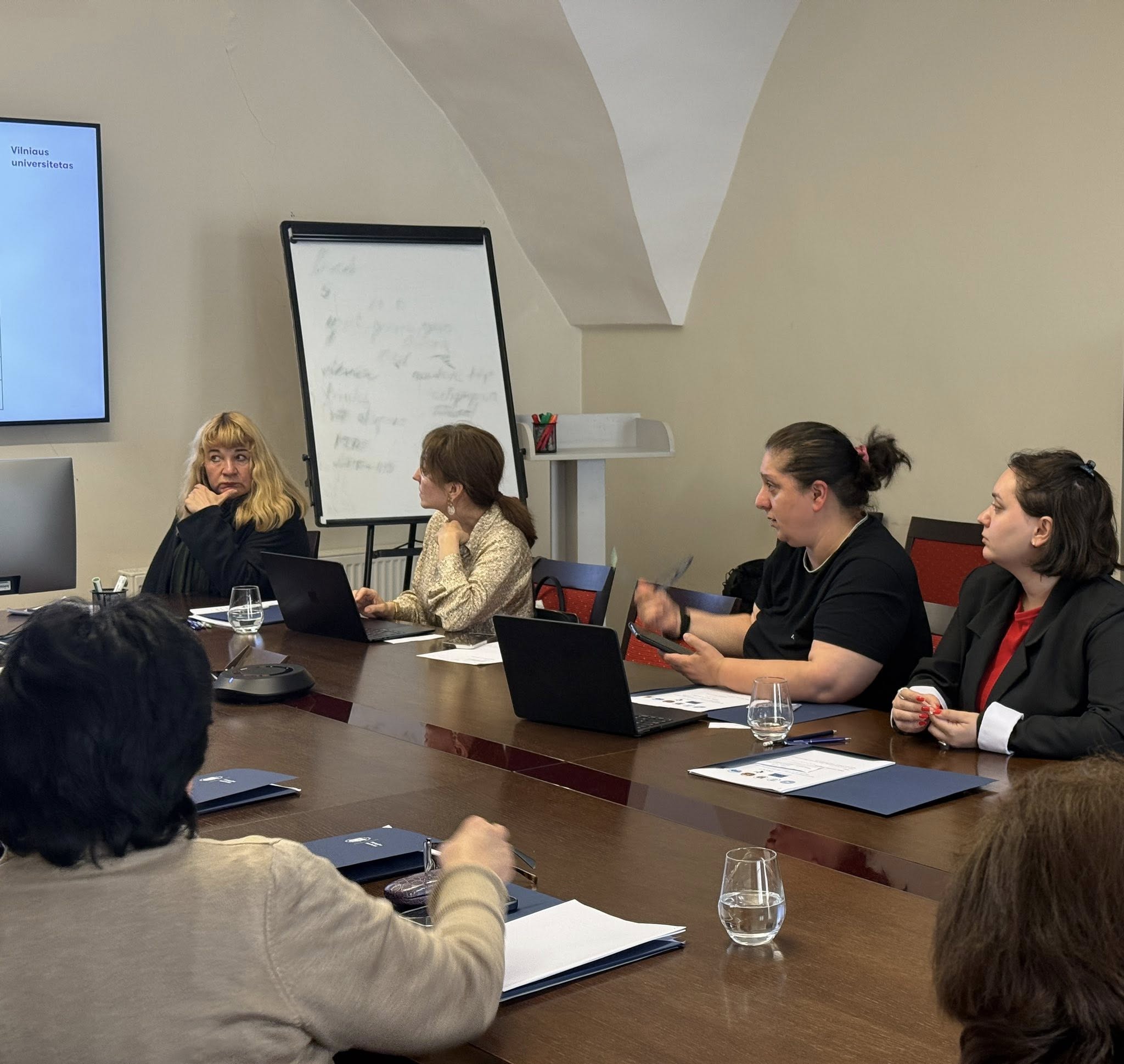
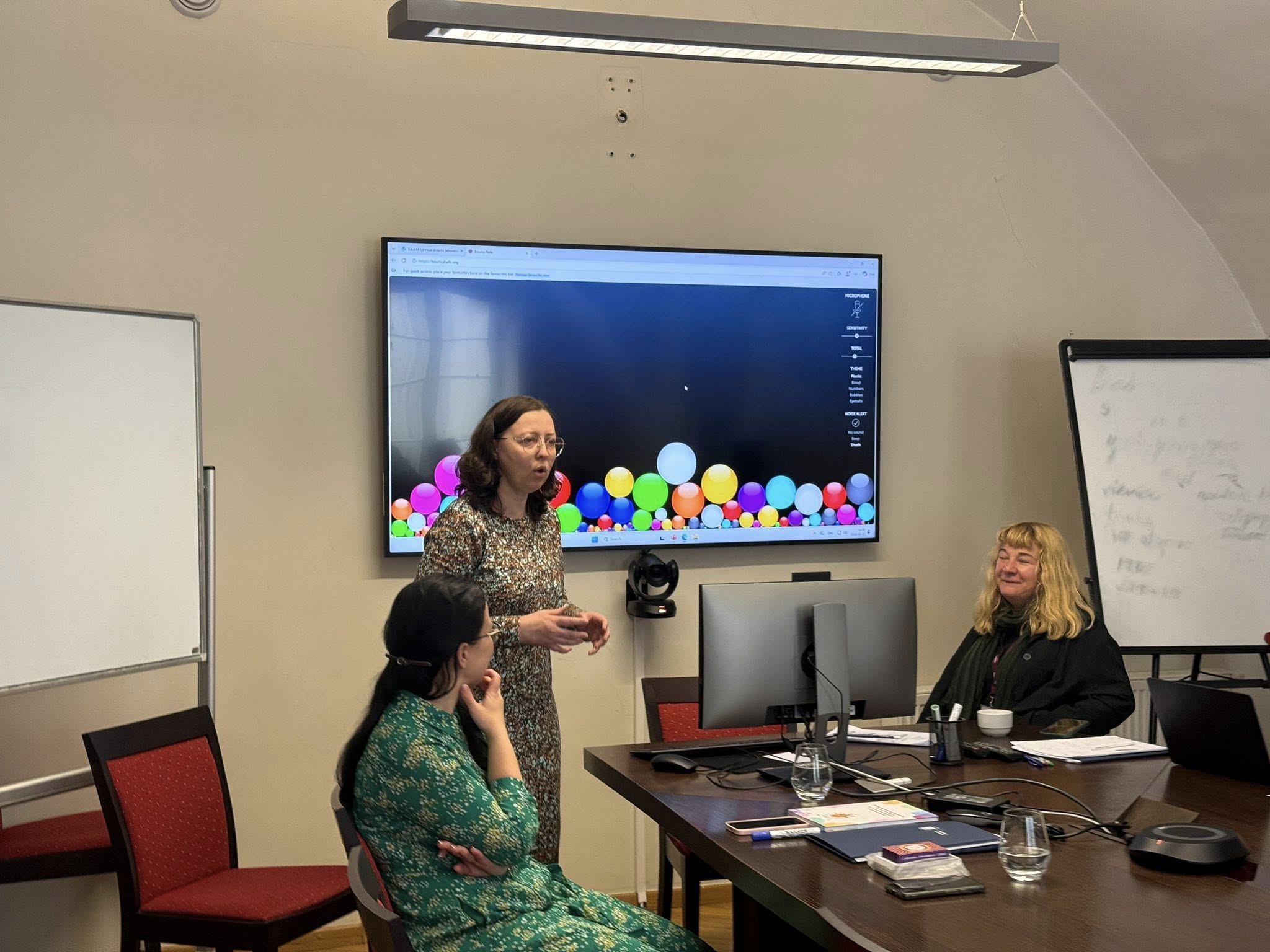
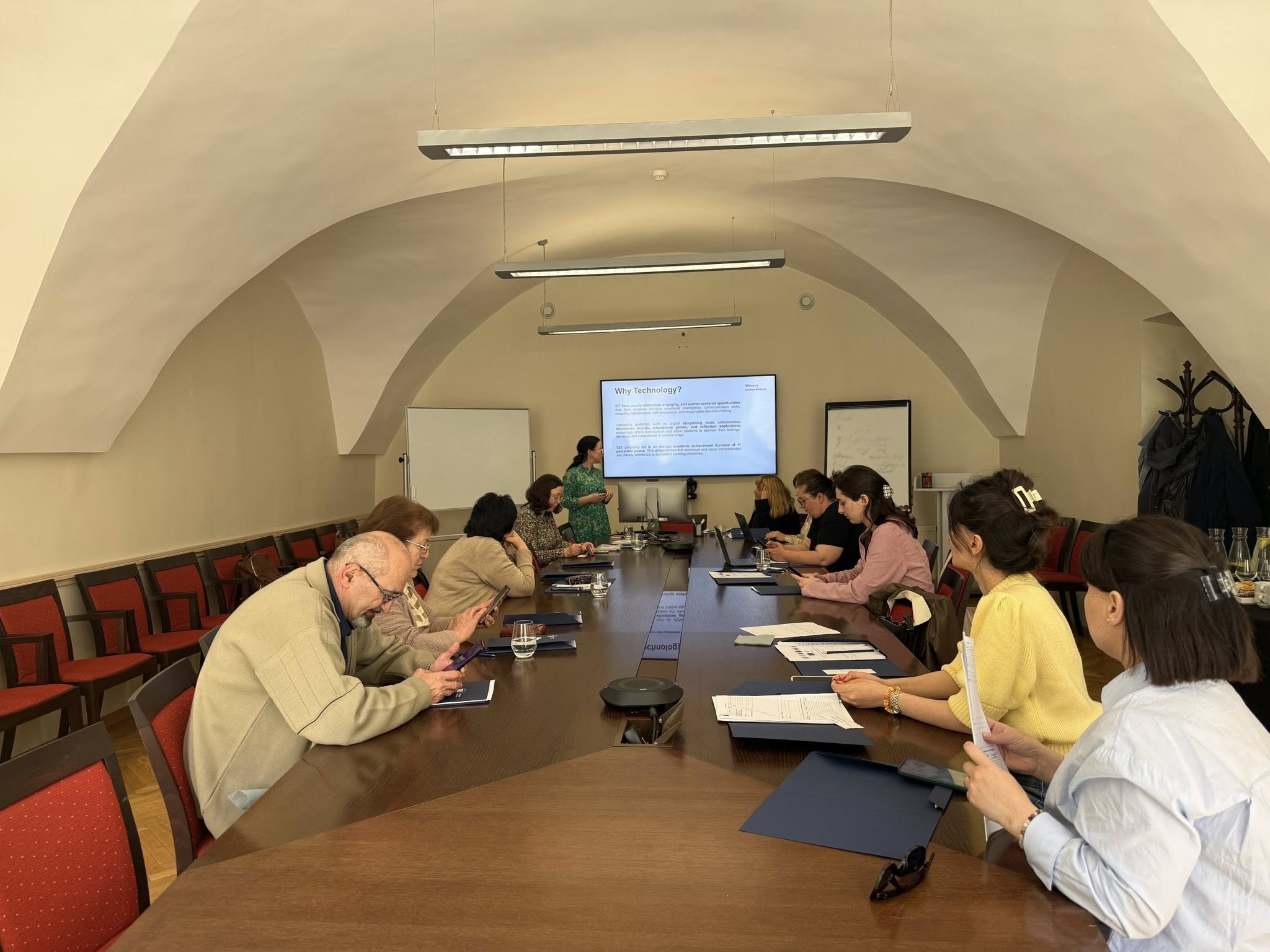
Within the framework of the ERASMUS-EDU-2024-CBHE funded project "Development of Early Childhood Educational Programs in Georgian Universities" (DECEP), a workshop was held at Vilnius University.
The topics of the workshop were:
- The use of Information and Communication Technology (ICT) tools for student activities: content, assignments, assessment, and self-assessment.
- Integrating Social-Emotional Learning (SEL) into early childhood education: digital teaching technologies, online learning methods, and educational resources.
Within the framework of the ERASMUS-EDU-2024-CBHE funded project 'Development of Early Childhood Educational Programs in Georgian Universities' (DECEP), the project participants visited the 'Vydūnėlis' nursery school to observe the practical implementation of Social-Emotional Learning (SEL) programs.
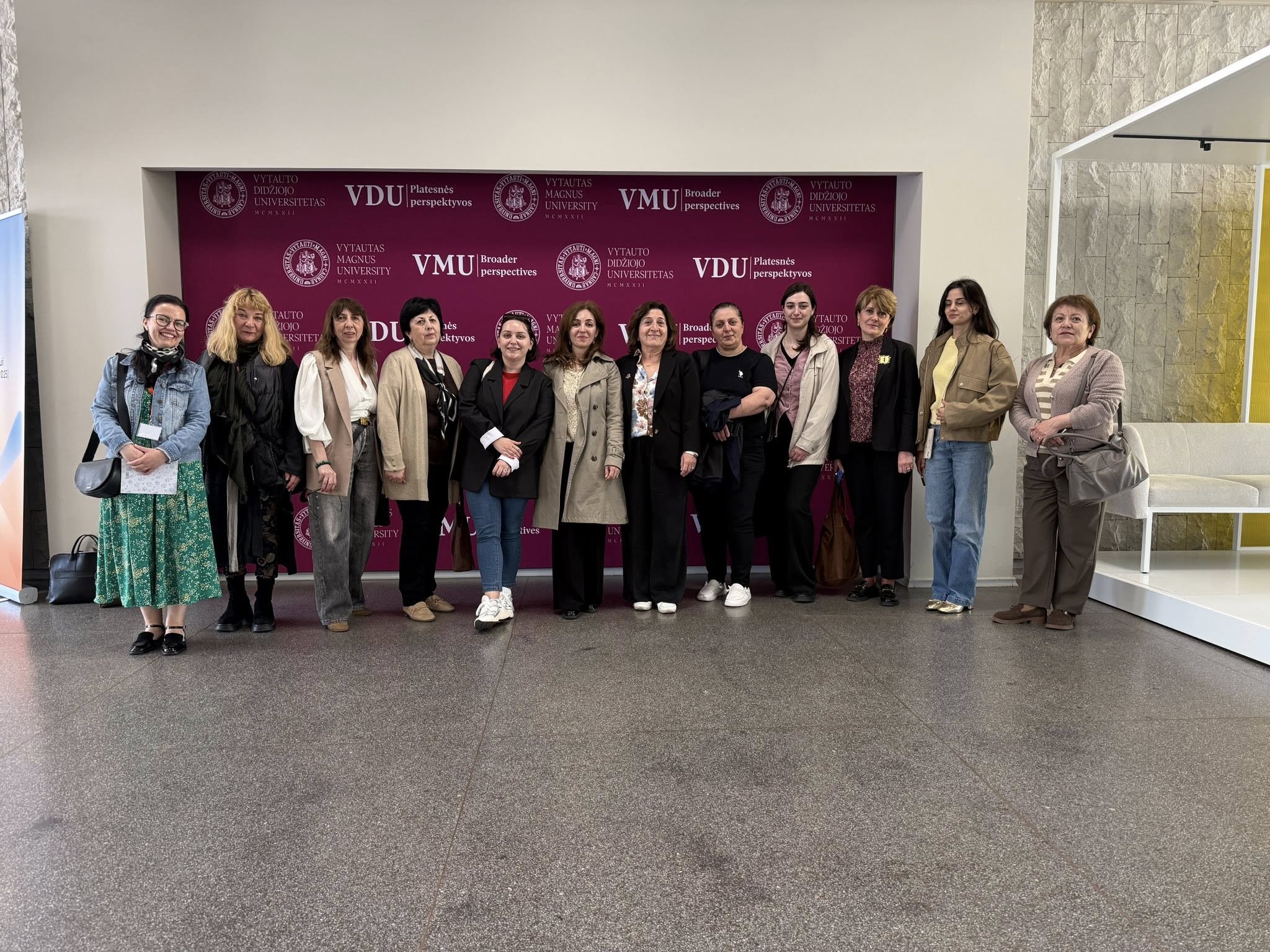
Additionally, they conducted a working visit to the laboratory at Vytautas Magnus University, where early childhood education students learn how to effectively utilize educational resources.
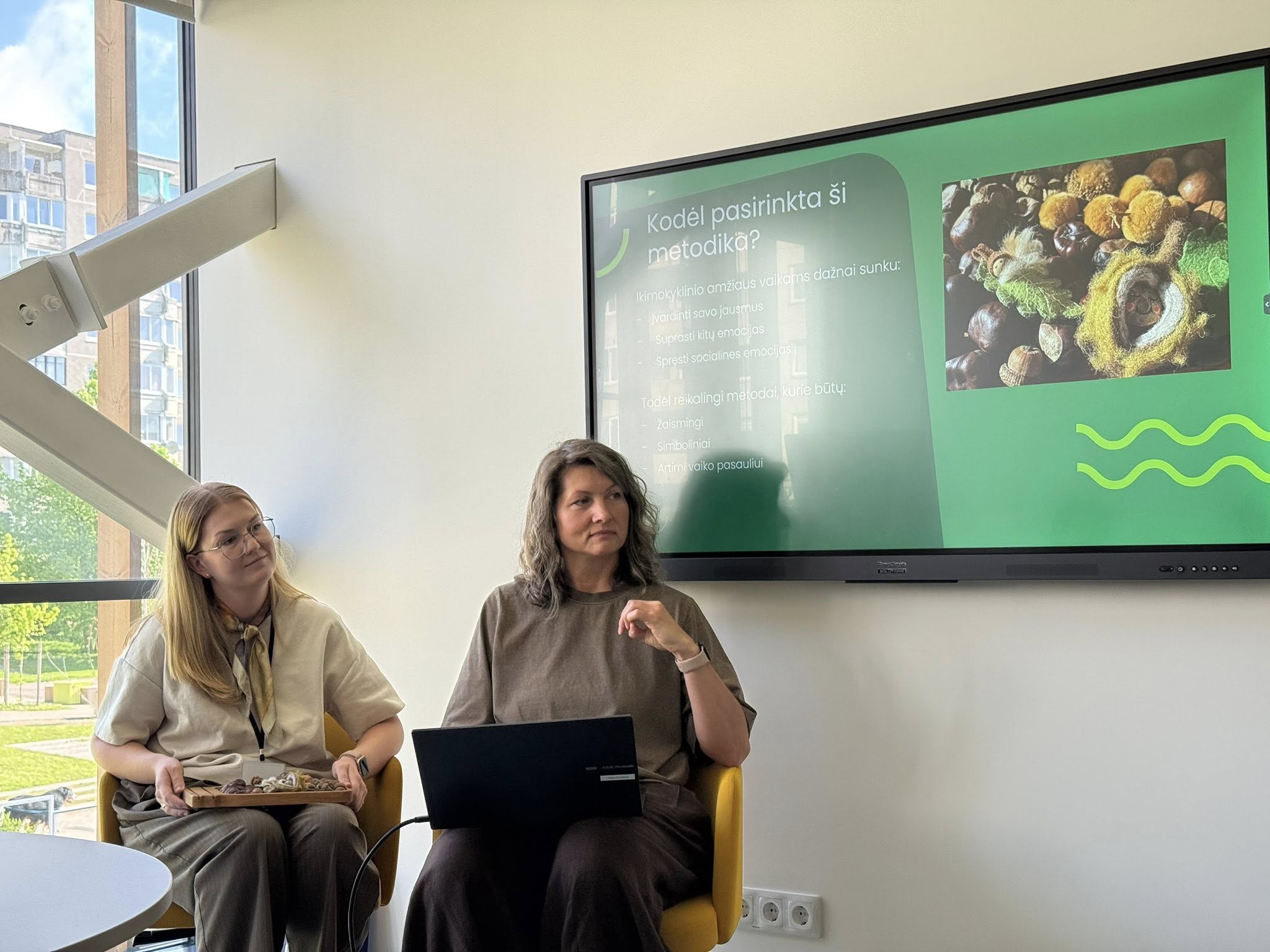
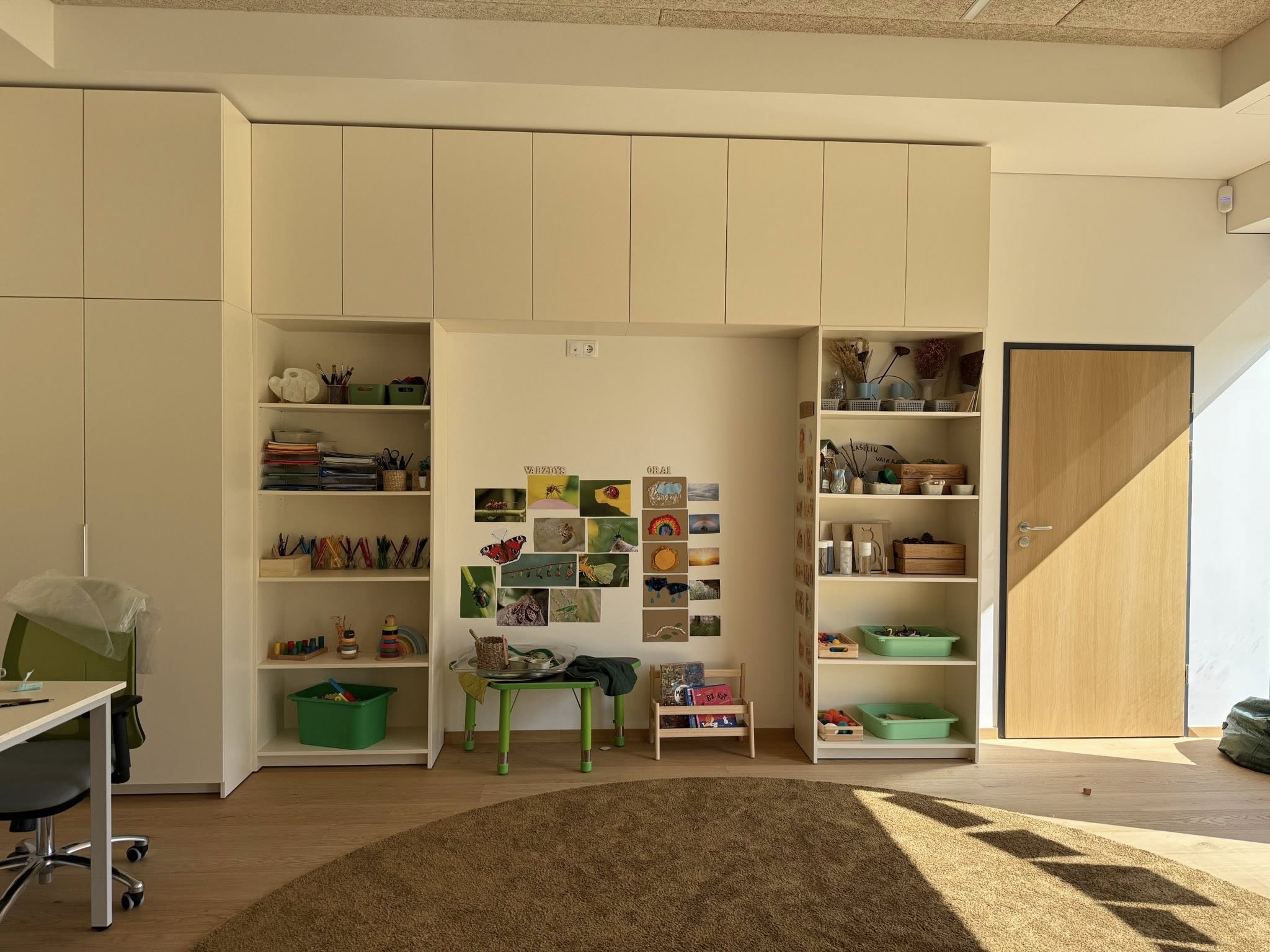
Within the framework of the ERASMUS-EDU-2024-CBHE funded project 'Development of Early Childhood Educational Programs in Georgian Universities' (DECEP), a workshop was held at Vilnius University.
The core theme of the meeting was ensuring interdisciplinary integration and alignment between the development of cognitive and social-emotional skills in the curricula for pre-service kindergarten teachers.
Additionally, the participants addressed the topics of Social-Emotional Learning (SEL) in early childhood education at Vilnius University, focusing on core competencies, curriculum integration, and specific SEL programs.
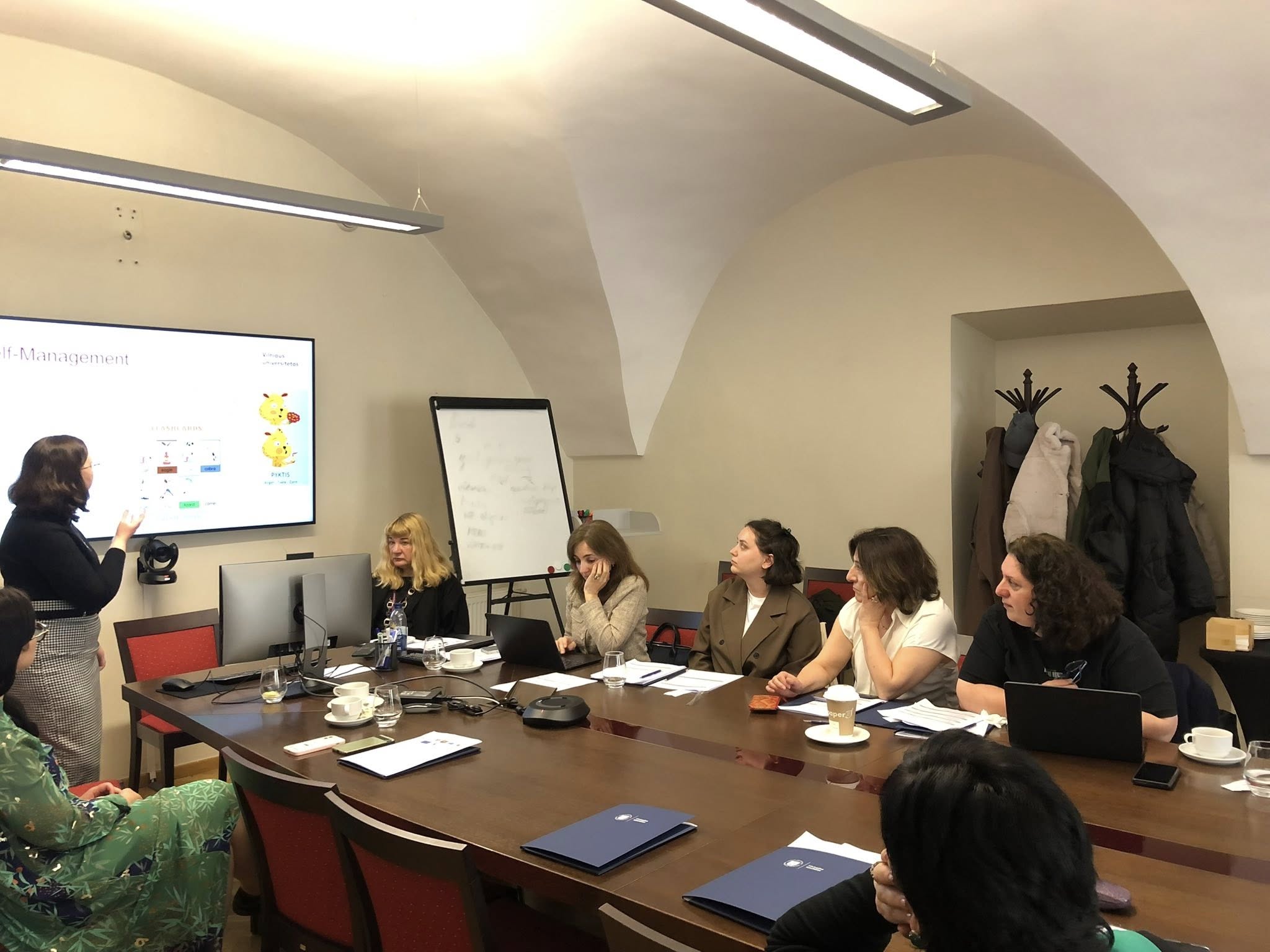
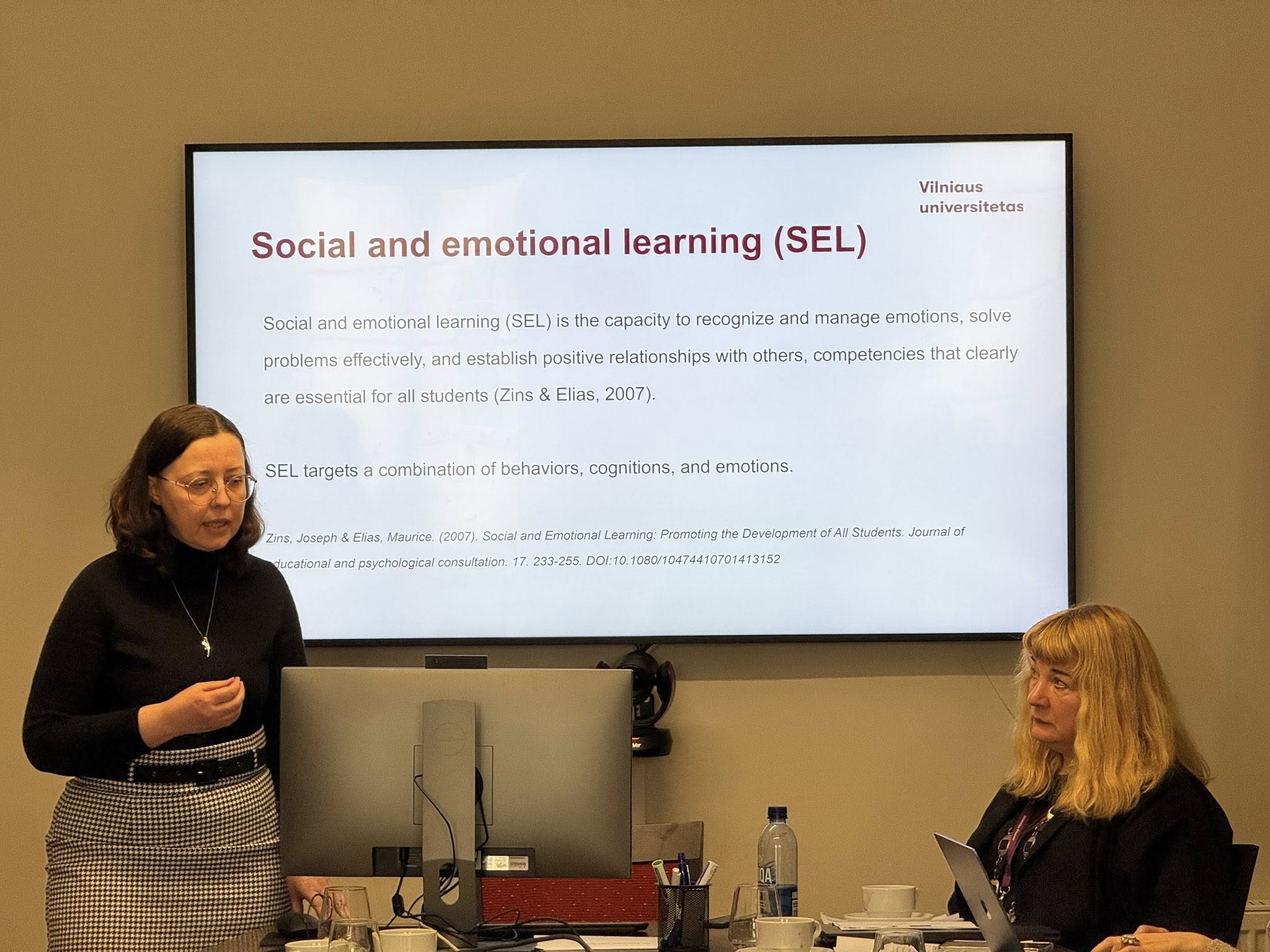
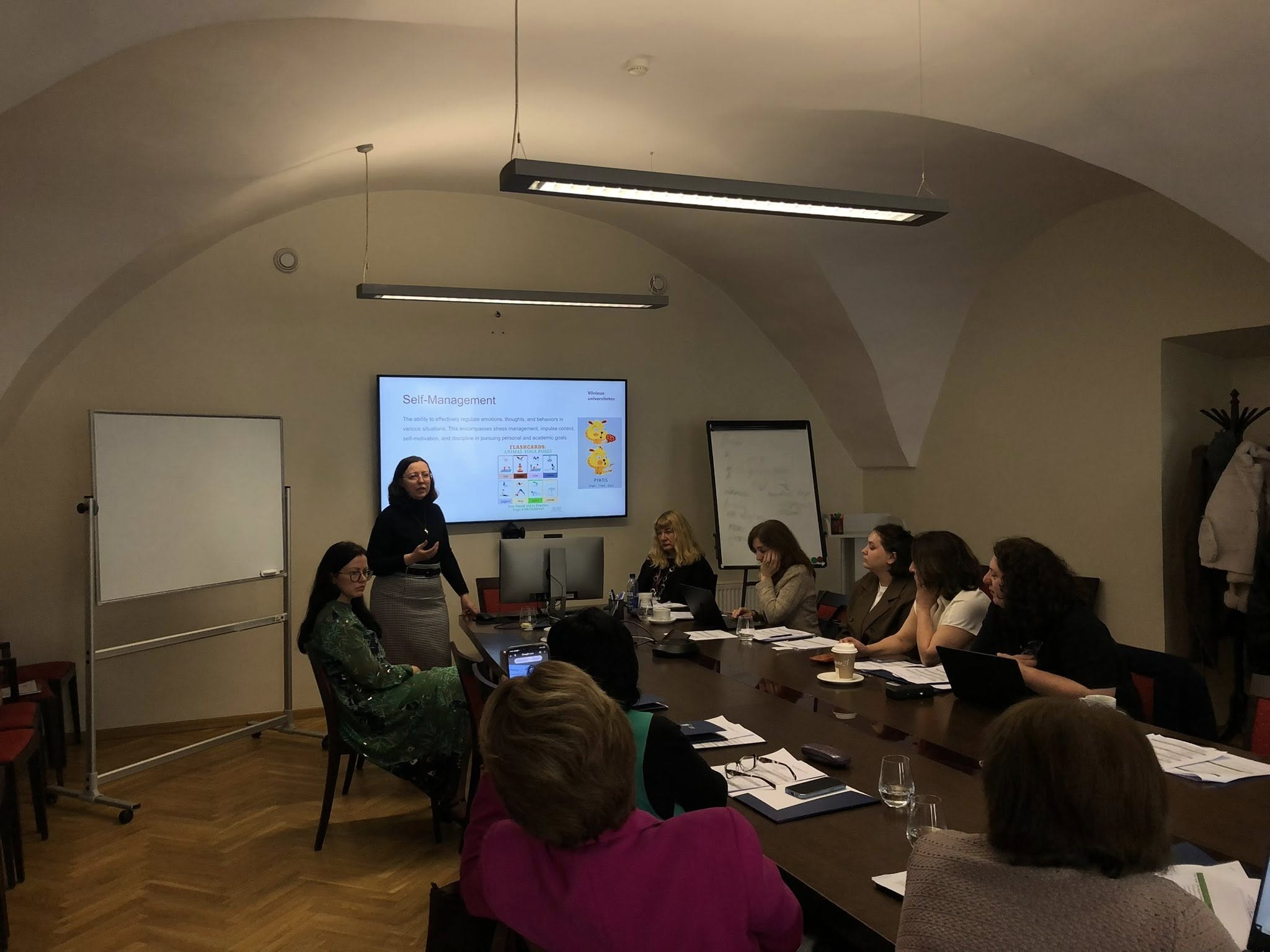
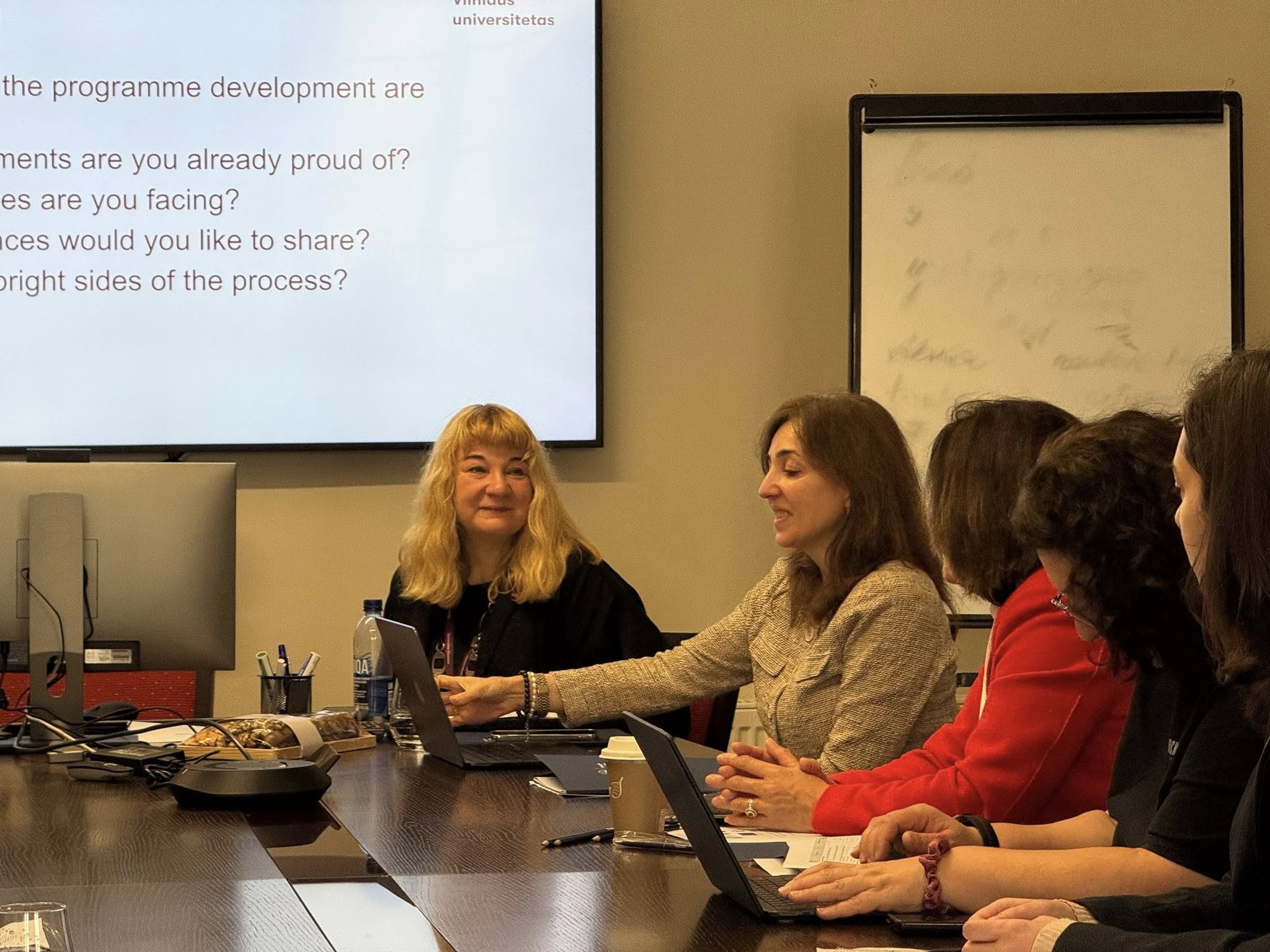
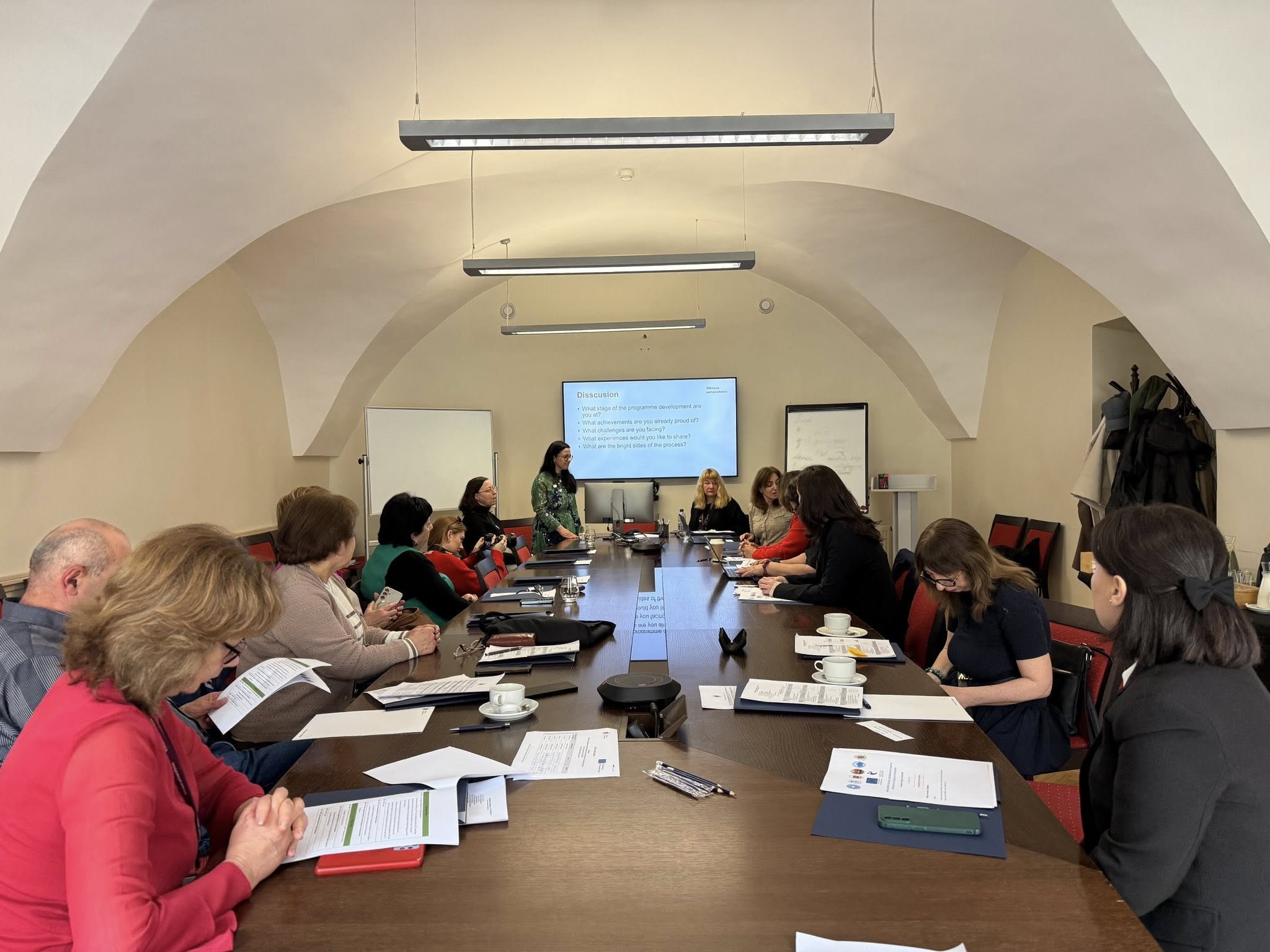
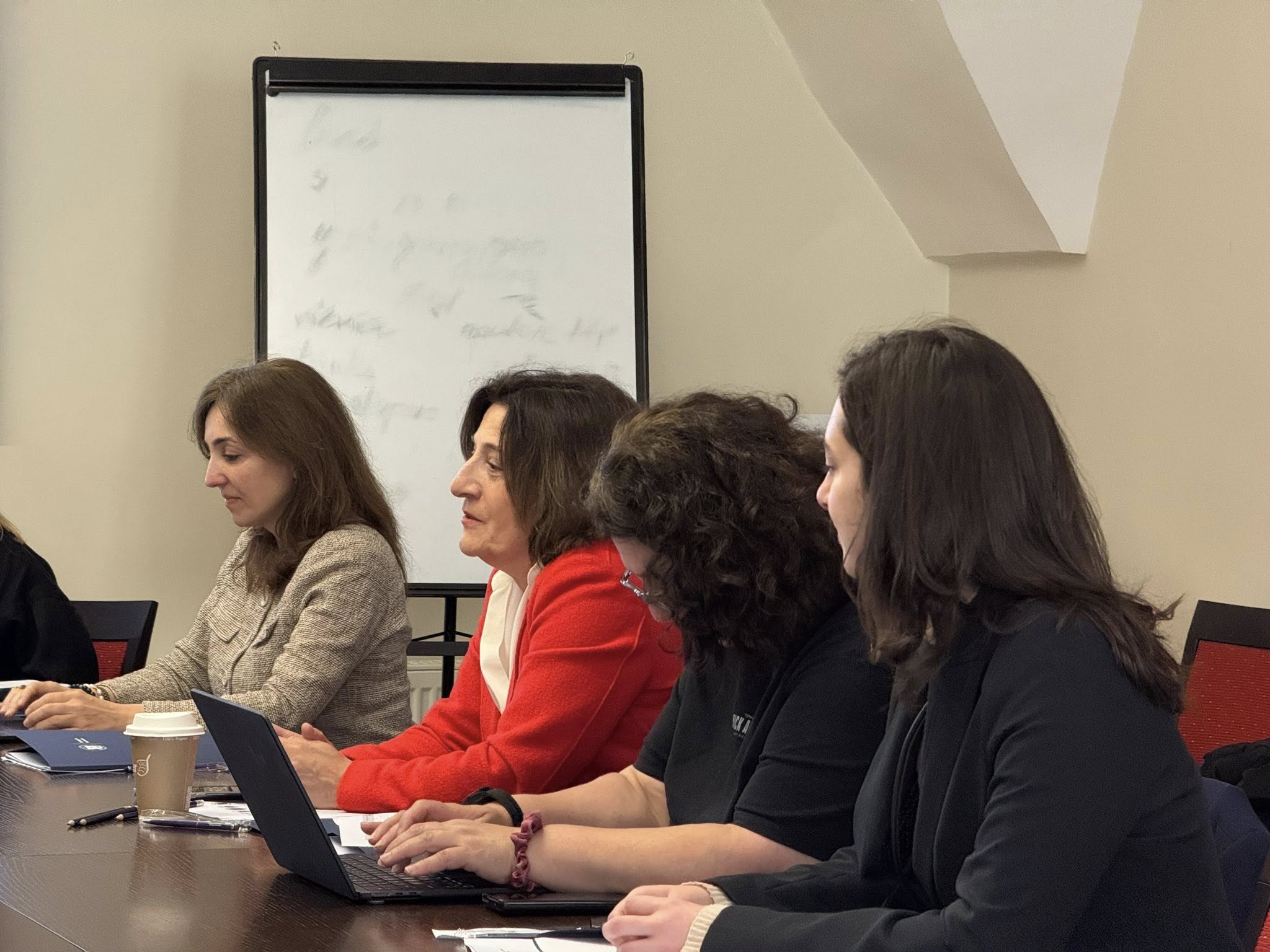
Within the framework of the ERASMUS-EDU-2024-CBHE funded project 'Development of Early Childhood Educational Programs in Georgian Universities' (DECEP), a workshop was held at Vilnius University.
Ivane Javakhishvili Tbilisi State University, Iakob Gogebashvili Telavi State University, and Samtskhe-Javakheti State University shared their experiences regarding the development process of early childhood education programs. Furthermore, the participants discussed the internal structure and implementation mechanisms of the 'Early Childhood Education' and 'Pre-school Education' programs offered at Vilnius University and Vytautas Magnus University.
On October 24-25, 2025, the Sixth International Conference on the topic: Second Language Acquisition/Teaching in the Context of Multilingual Education was organized by Ivane Javakhishvili Tbilisi State University (TSU), Samtskhe-Javakheti State University, the Institute of Foreign Languages of the Faculty of Philology at Vilnius University, and the Center for Civil Integration and Interethnic Relations.
The goal of the conference was to discuss and formulate a unified concept from the ideas of local and foreign specialists regarding approaches and strategies for teaching a second language within the context of multilingual education.
One section of the conference was dedicated to DECEP – Early Education Issues, where project representatives delivered presentations on the following topics:
- Language Teaching Policy: Strategy, Challenges, and Problem-Solving Methods – Presenter: Lali Kalandadze (Ministry of Education, Science, and Youth of Georgia);
- From Theory to Sustainable Practice: Critical Aspects of Implementing a Bilingual Educational Model in Early Childhood Education – Presenters: Mzia Tsereteli, Ia Aptarashvili (Ivane Javakhishvili Tbilisi State University);
- Reflection of Multilingual Educational Aspects in the Preparation of Early Childhood Education Programs – Presenters: Giuli Shabashvili, Kakha Gabunia (Ivane Javakhishvili Tbilisi State University);
- Mechanisms for Ensuring the Sustainability of Quality in Early Childhood Inclusive Education – Presenters: Nino Modebadze, Shorena Dzamukashvili, Nino Nakhutsrishvili (Iakob Gogebashvili Telavi State University);
- The Role of Universities in the Development of Early Childhood Inclusive Education: The Example of Samtskhe-Javakheti State University – Presenters: Irma Kurdadze, Mari Narimanidze (Samtskhe-Javakheti State University).
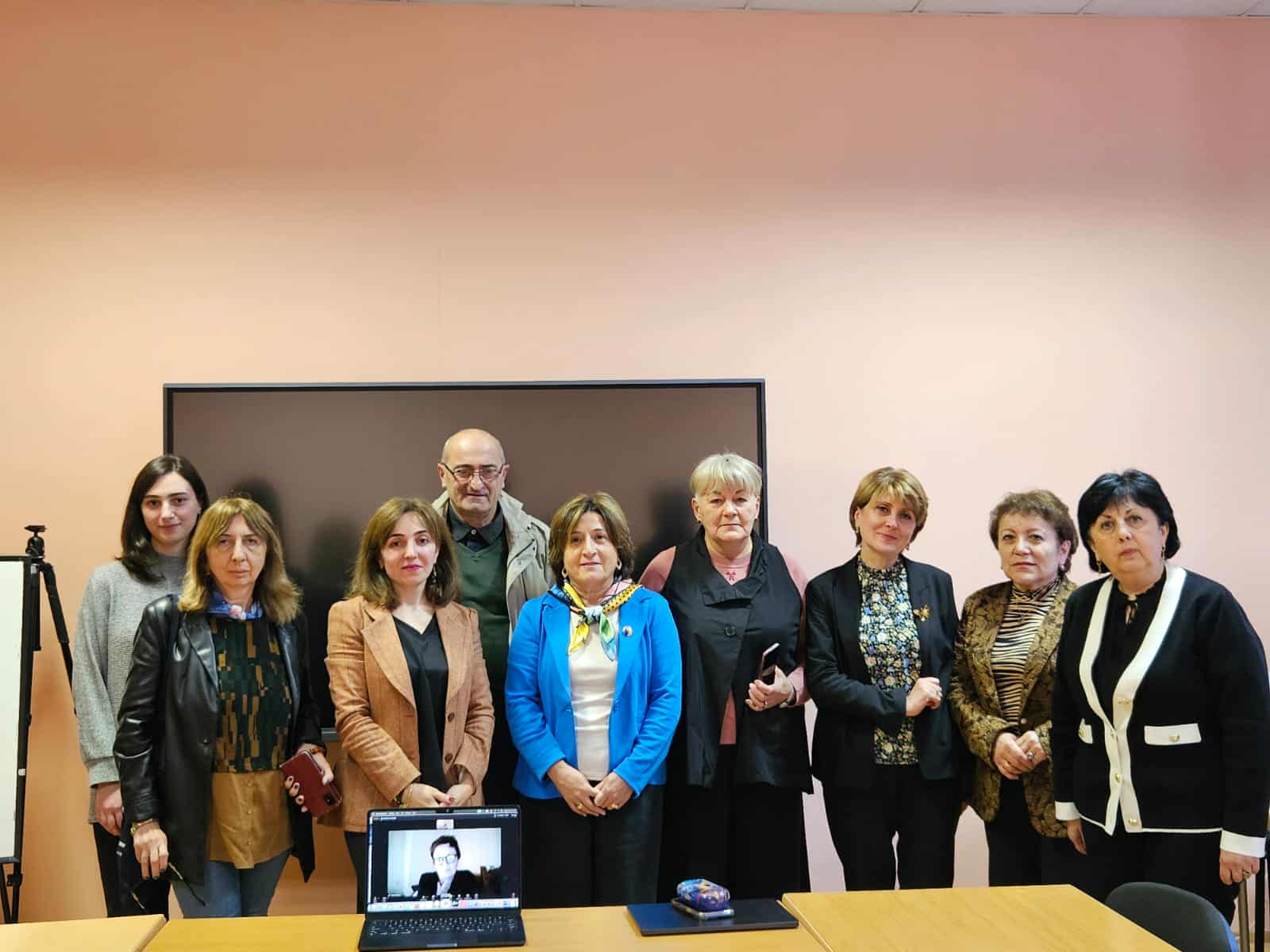
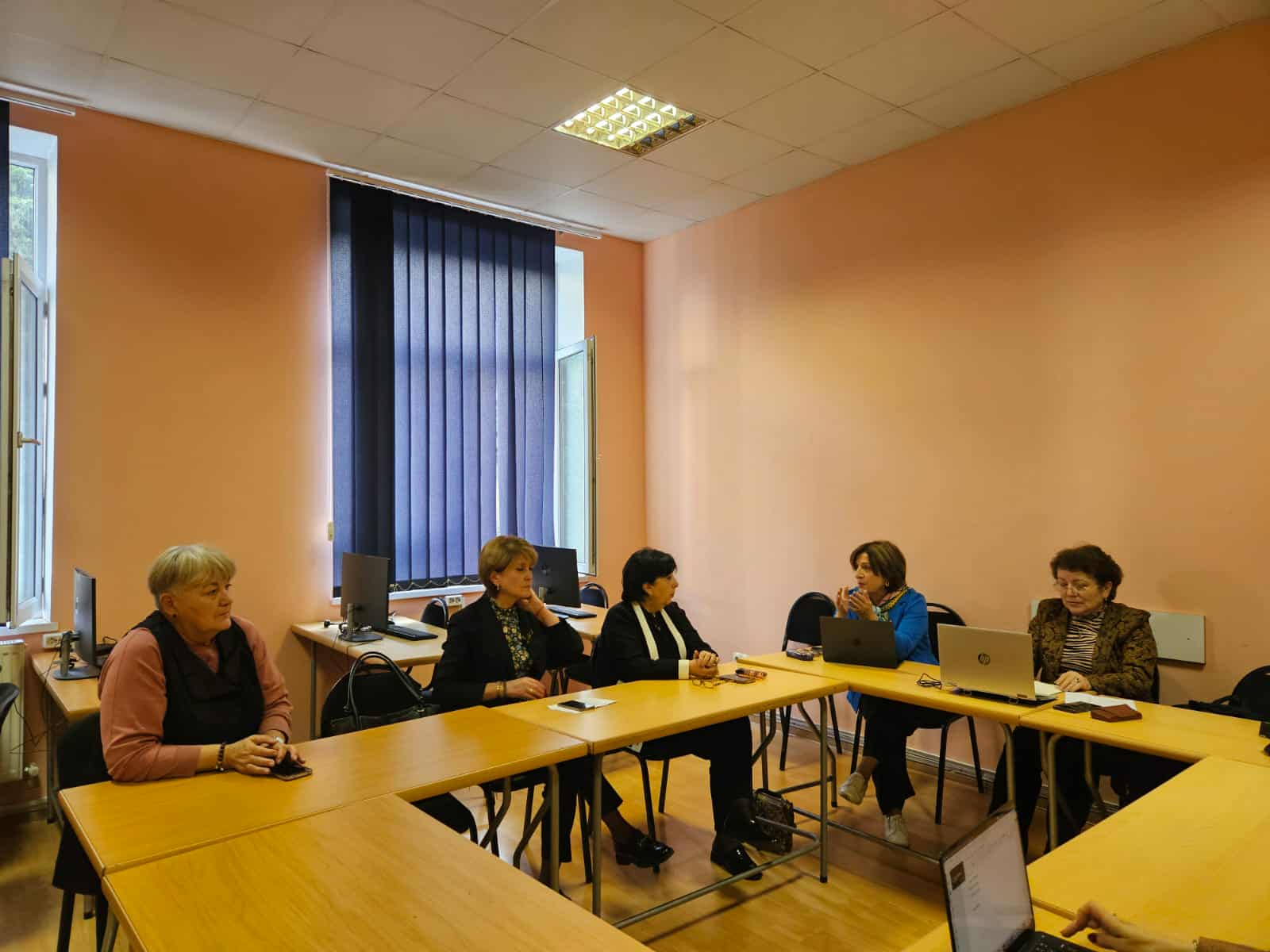
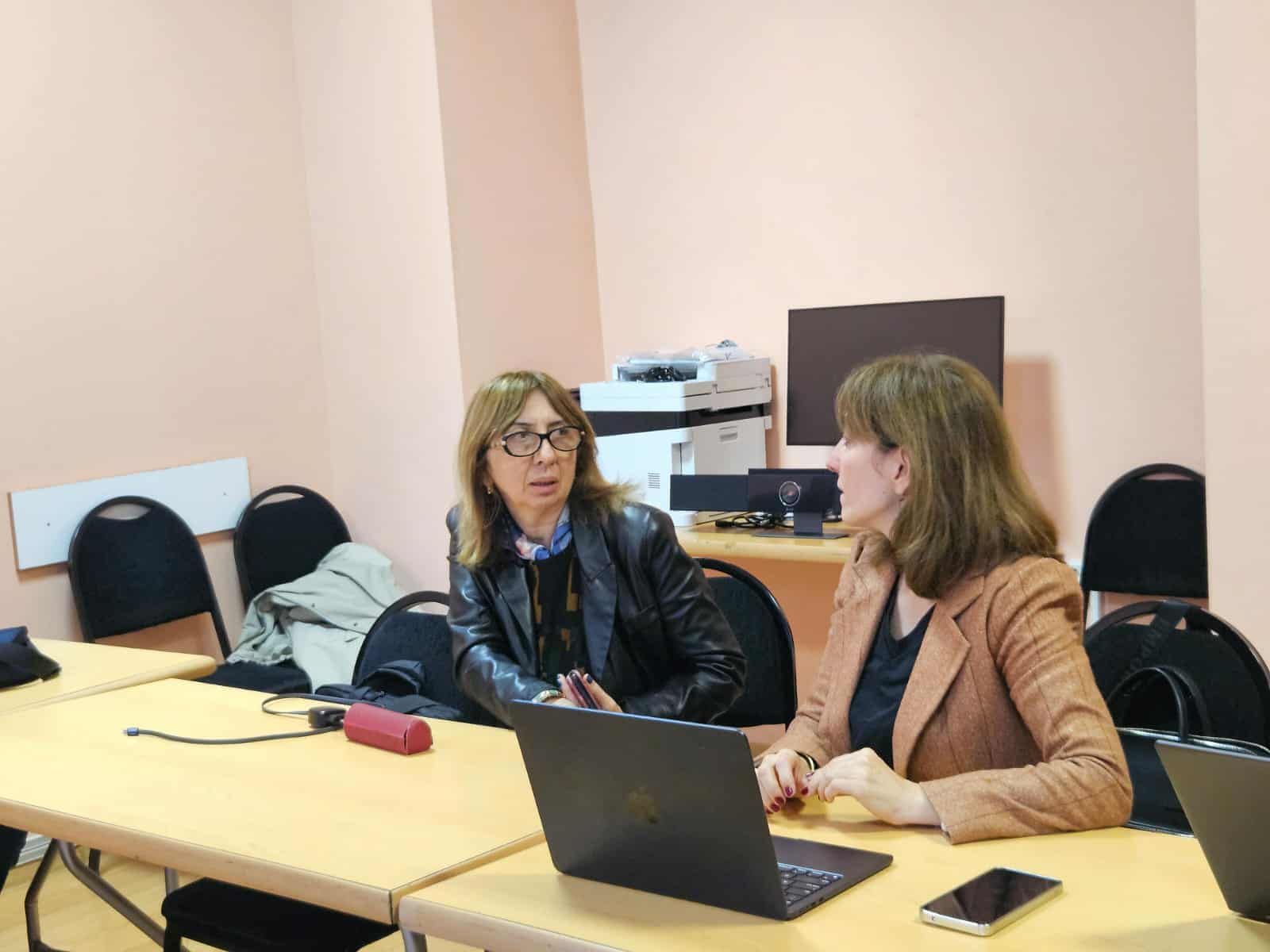
On October 22, an organizational meeting was held at Tbilisi State University (TSU) within the framework of the DECEP Project. Representatives from Iakob Gogebashvili Telavi State University, Samtskhe-Javakheti State University, and Tbilisi State University attended the meeting.
During the meeting, administrative and organizational issues were discussed, along with a review of the work accomplished and the results achieved. Furthermore, future steps and visits to partner universities were planned.
On April 30, the DECEP Project hosted an online training session focused on the vital topic of Social and Emotional Learning (SEL) and its integration into Early Childhood Education (ECE) programs.
The training was led by two distinguished experts:
- Simona Kontrimiene, Associate Professor at Vilnius University and DECEP Project Coordinator (Vilnius side)
- Sergejus Neifachas, Expert in Early Childhood Education and Director of GABIJELE Kindergarten
The session combined theoretical foundations with practical insights, highlighting how SEL can transform learning environments and support the holistic development of young learners. It emphasized the importance of embedding emotional and social competencies into ECE curricula to foster inclusive, resilient, and supportive educational systems.
This project is co-funded by the European Union.
The training materials are available to project participants and other interested parties (see link).
On April 29, Ana Golubeva, our partner from the University of Tartu (Narva College), delivered an engaging online training session as part of the DECEP Project.
The training focused on “Principles of Language Teaching in Early Childhood Education and Care (ECEC) Settings”, highlighting practices from both Estonian and American contexts.
Participants explored key topics, including:
- Policies on early years language teaching
- Types of early years language teaching programmes
- Emphasizing the target language in all activities
- The role of comprehensible input
- The importance of scaffolded output and understanding stages of second language acquisition (SLA)
The session also featured collaborative group work, fostering discussions and reflections on effective strategies for second language learning in early childhood settings.