 FACULTY OF EXACT AND NATURAL SCIENCES
 FACULTY OF HUMANITIES
 FACULTY OF SOCIAL AND POLITICAL SCIENCES
 FACULTY OF PSYCHOLOGY AND EDUCATIONAL SCIENCES
 FACULTY OF ECONOMICS AND BUSINESS
 FACULTY OF MEDICINE
 FACULTY OF LAW




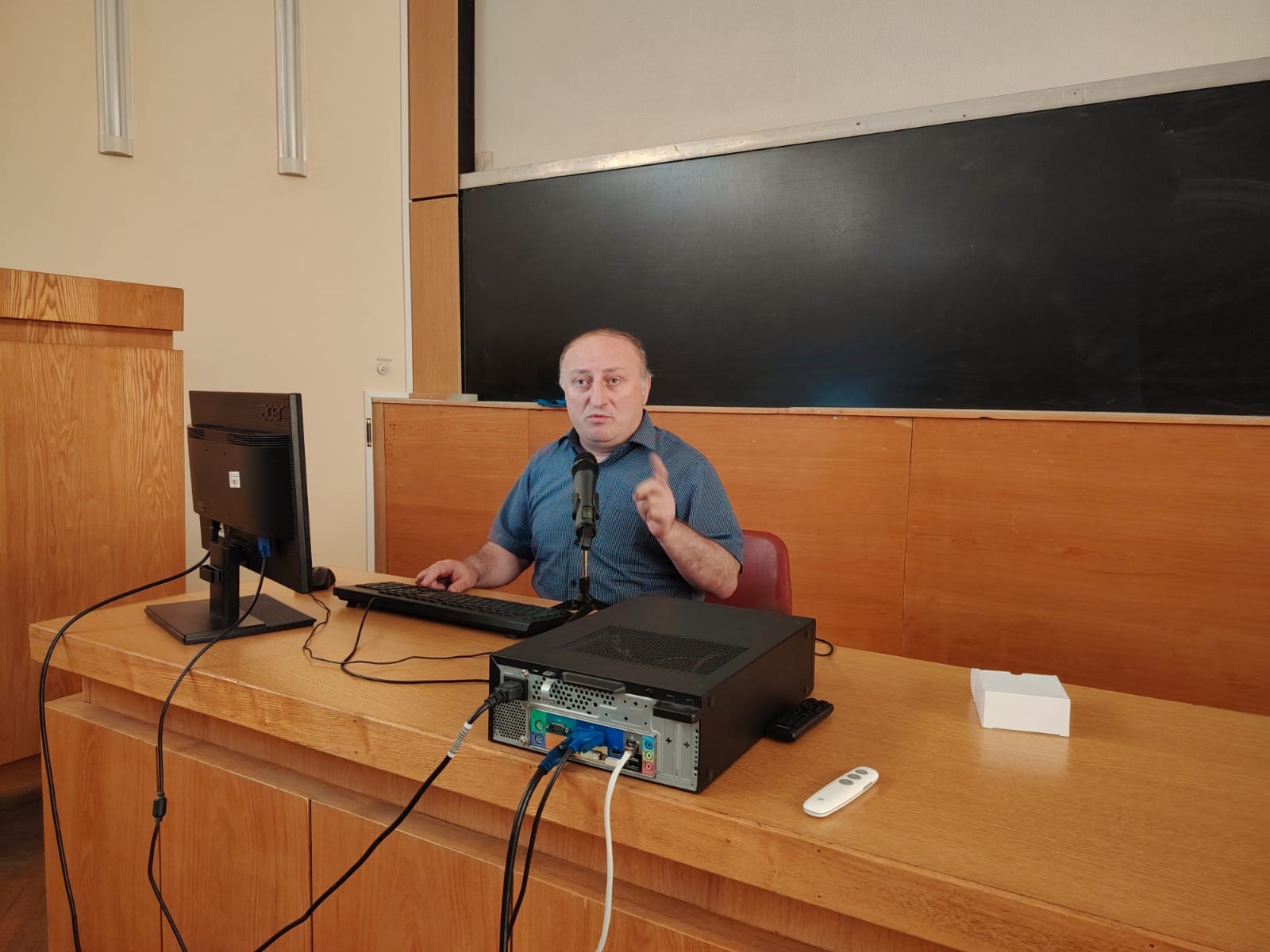
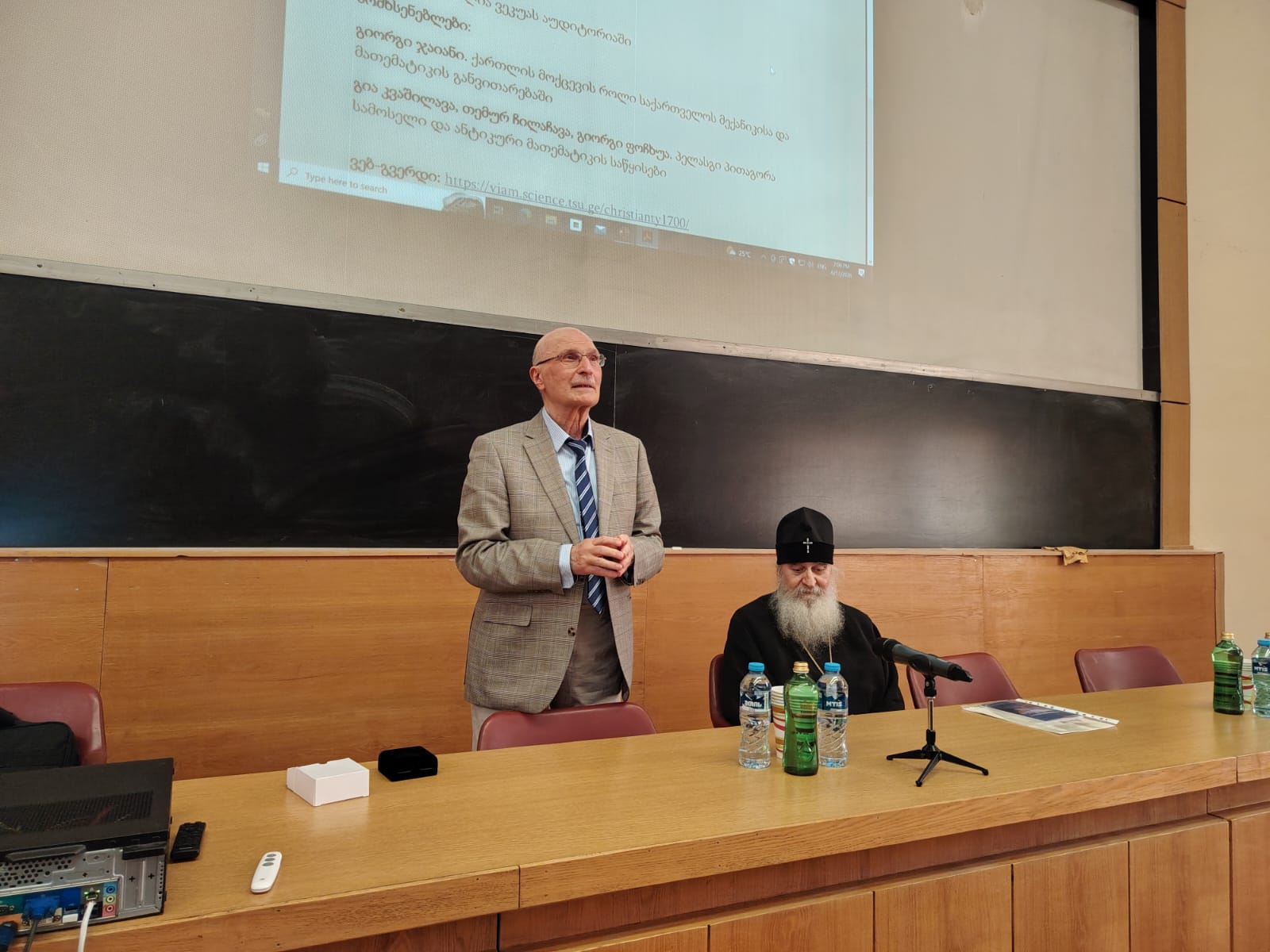
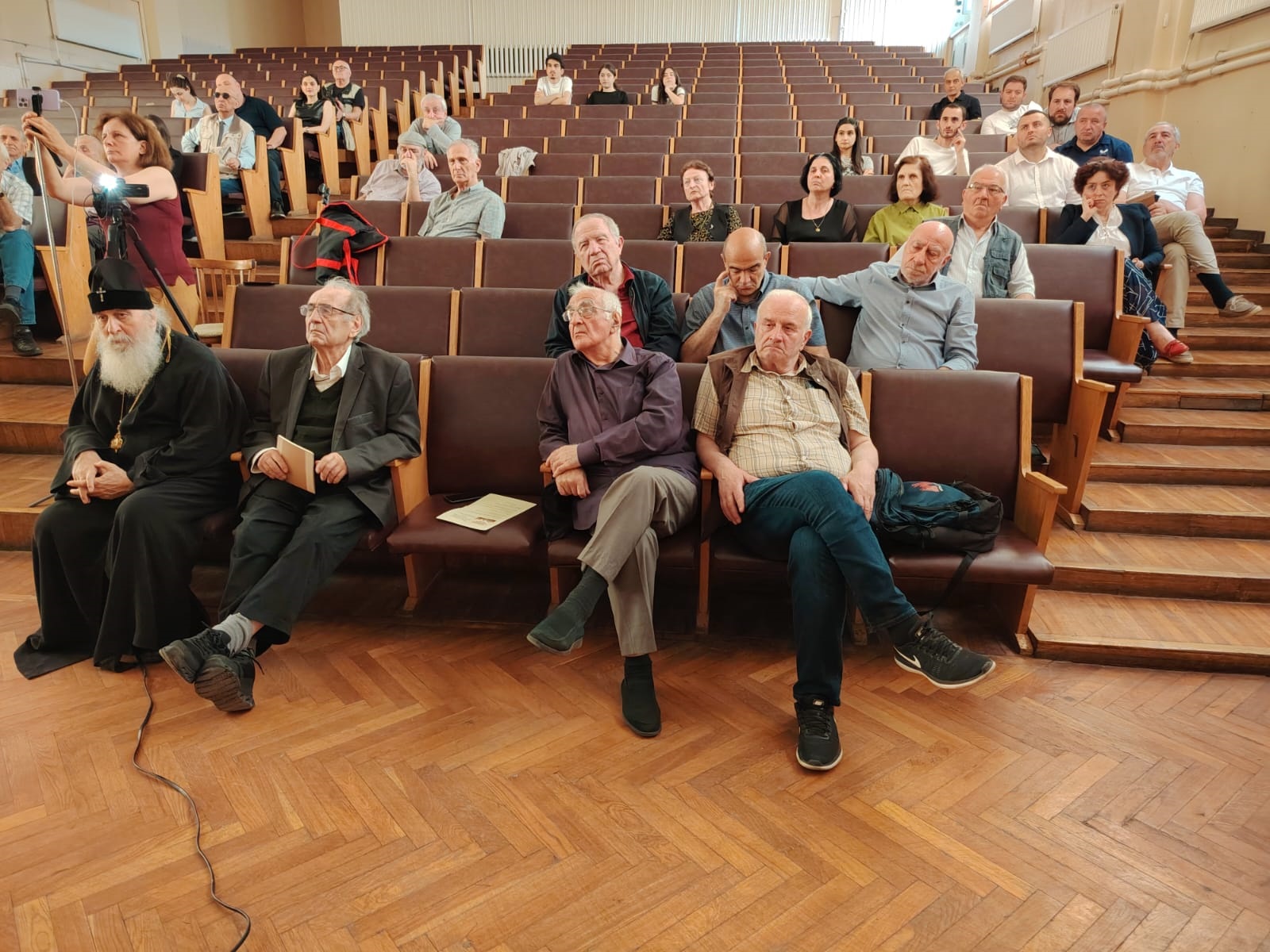
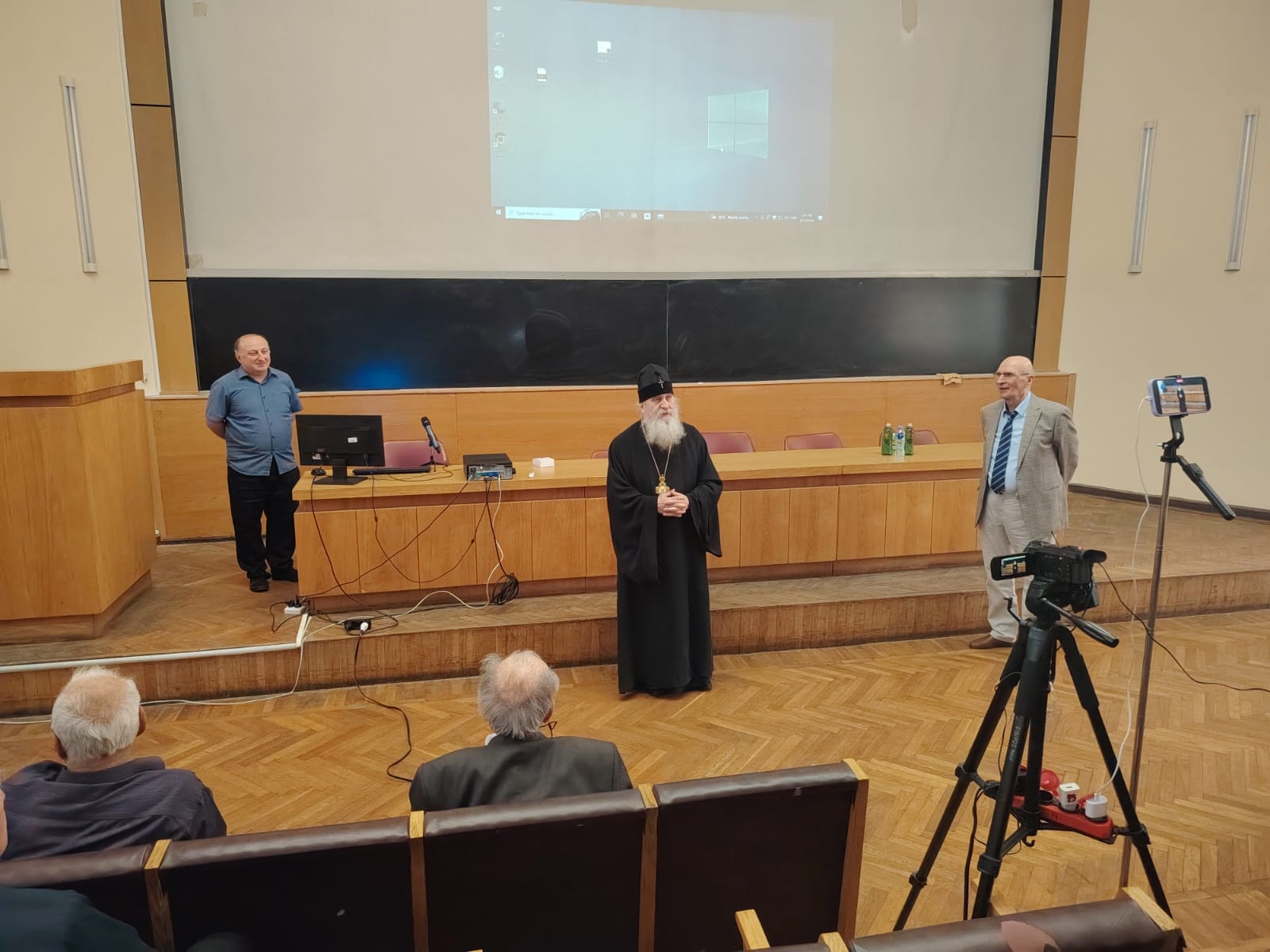
On June 17, the Ilia Vekua Institute of Applied Mathematics at Ivane Javakhishvili Tbilisi State University (TSU) hosted a special seminar, “The Role of the Georgian Orthodox Church in the Development of Mathematics and Mechanics in Georgia and Related Issues”, to celebrate the 1700th anniversary of Christianity being declared the state religion. Metropolitan Daniel (Datuashvili) and employees from the TSU Institute of Applied Mathematics, the TSU Institute of History and Ethnology, the Georgian Technical University, and the Sokhumi State University (SSU), as well as students from various levels of TSU and SSU, attended the session.
The proclamation of Christianity as the state religion, and consequently the Georgian Church, played a fundamental and driving role in the development of mathematics, mechanics, and science in general in Georgia. Theological academies, such as the Gelati and Ikalto academies, were the country’s main educational and scientific centers. The clergy translated fundamental works on mathematics and physics from Greek. The origins of the teaching and development of mathematics and mechanics in Georgia can be traced back to the Gelati Academy and Ioane Petritsi. While translating the works of the ancient philosopher and mathematician Proclus Diadochus, Ioane Petritsi added extensive comments, thus turning the translation into an original work.
Teaching at the Gelati and Ikalto academies was based on an ancient and Byzantine educational model called the “Seven Liberal Arts.” This model was divided into two cycles: the Trivium (grammar, rhetoric, and dialectic) and the Quadrivium (arithmetic, geometry, astronomy, and music).
Two reports were presented at the session:
“The Role of the Conversion of Kartli in the Development of Mechanics and Mathematics in Georgia” by Giorgi Jaiani (TSU Institute of Applied Mathematics).
“Pelasgian Pythagoras of Samos and the Origins of Ancient Mathematics” by Gia Kvashilava, Temur Chilachava, Giorgi Pochkhua (SSU).
At the end of the session, Metropolitan Daniel gave a concluding speech to the attendees.