 FACULTY OF EXACT AND NATURAL SCIENCES
 FACULTY OF HUMANITIES
 FACULTY OF SOCIAL AND POLITICAL SCIENCES
 FACULTY OF PSYCHOLOGY AND EDUCATIONAL SCIENCES
 FACULTY OF ECONOMICS AND BUSINESS
 FACULTY OF MEDICINE
 FACULTY OF LAW






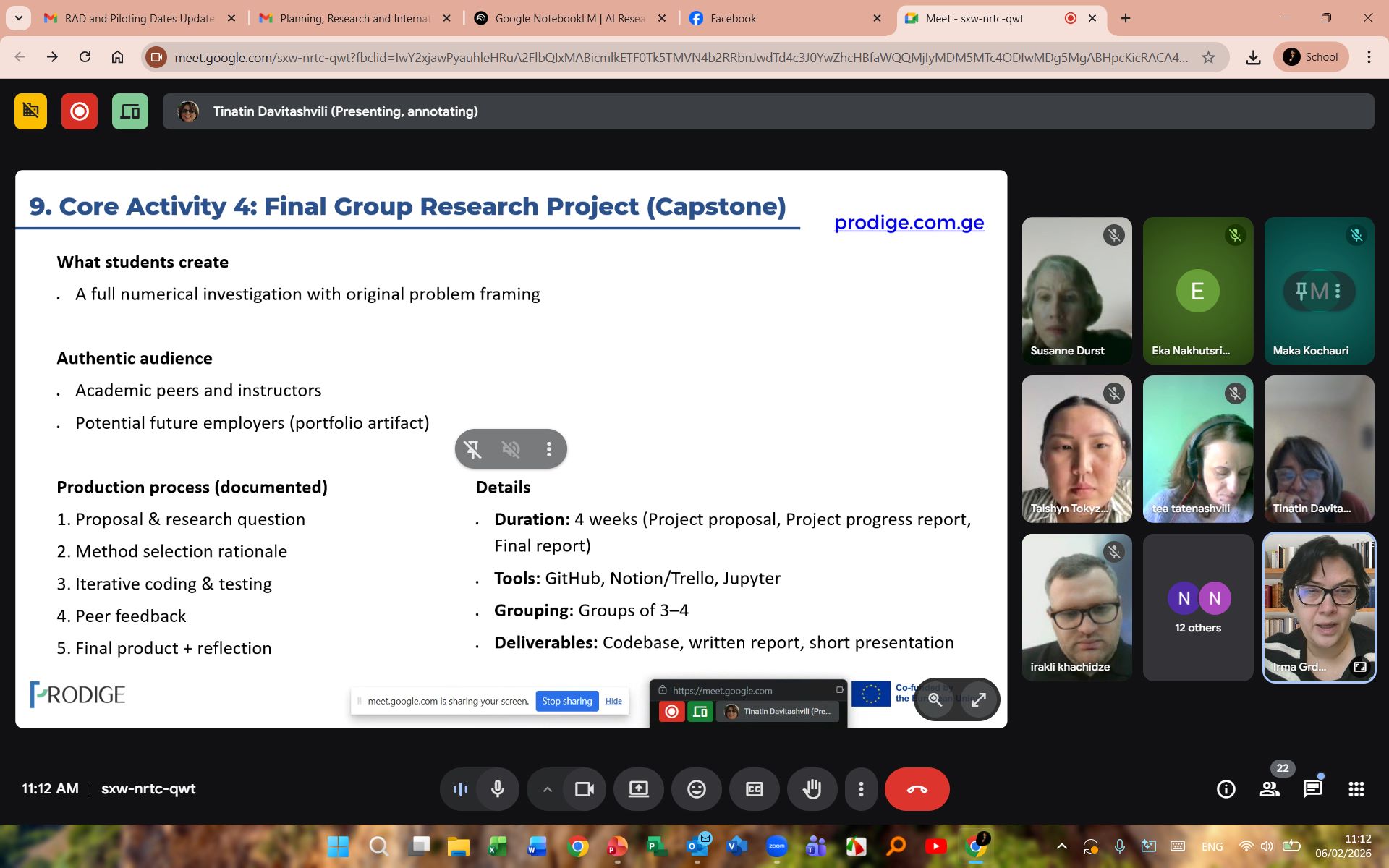
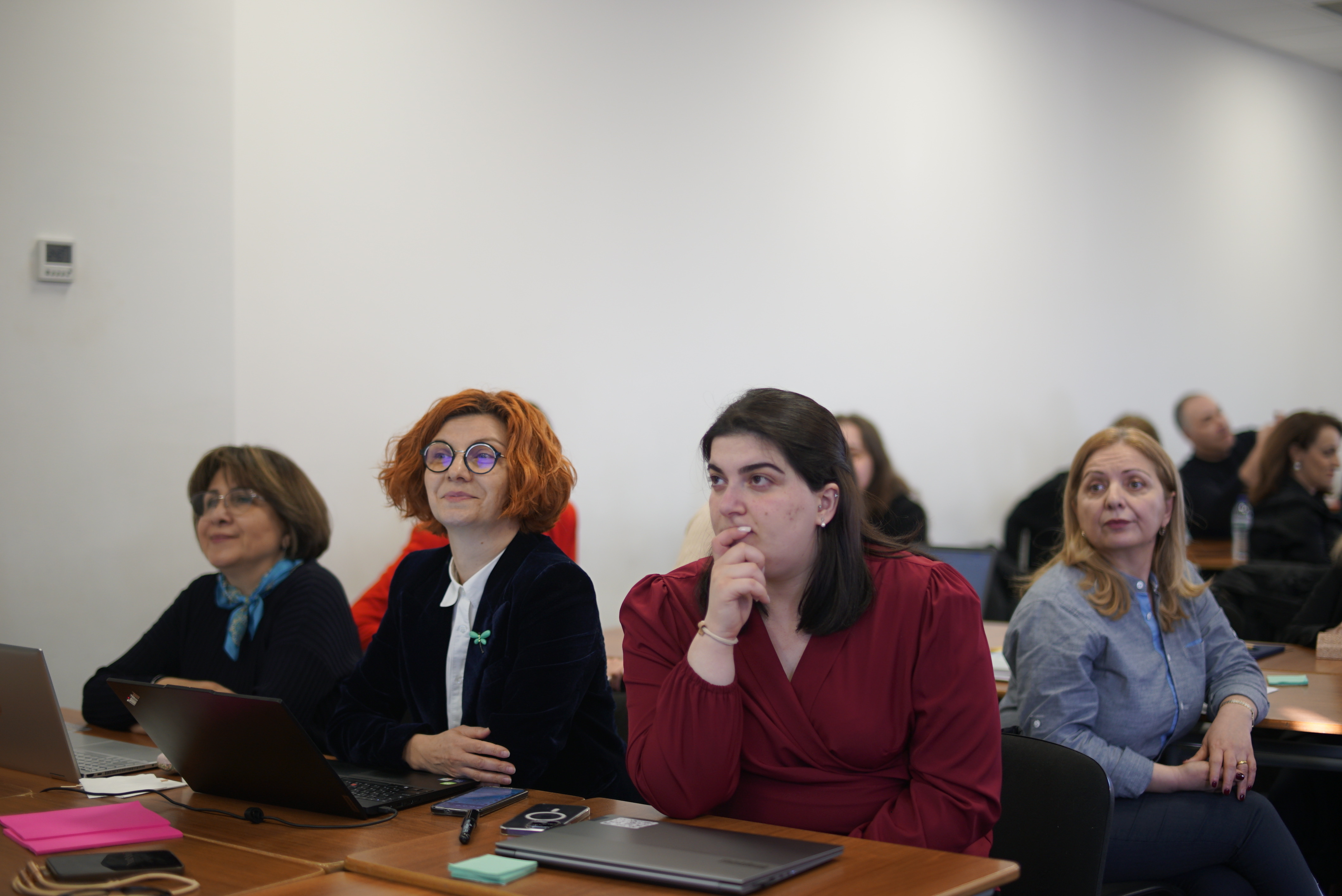
 From January 26 to February 6, 2026, within the framework of the Erasmus+ Capacity Building in Higher Education funded project PRODIGE (Promoting Quality Digital Education in Georgia), a training session T3.3 titled “Course Delivery and Teaching Methods for Digital Education” was held. The aim of the training was to introduce representatives of partner universities to innovative digital, simulation-based, and practice-oriented teaching approaches and to support their effective integration into the teaching and learning process. Three staff members from TSU participated in the event and delivered a presentation during the final session about the hybrid course based on production-based learning.
The training served as an important platform for sharing academic experience and enhancing quality in teaching and learning. The event once again reaffirmed Caucasus University’s commitment to digital transformation, innovation in teaching, and international academic collaboration.
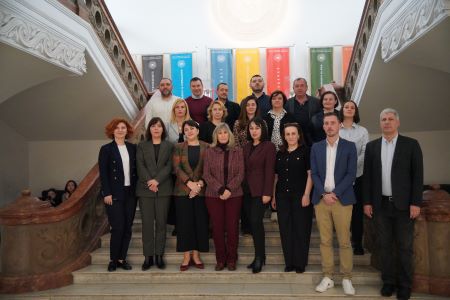
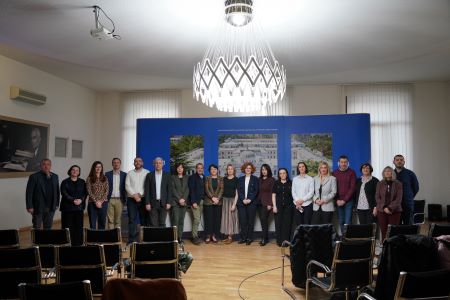
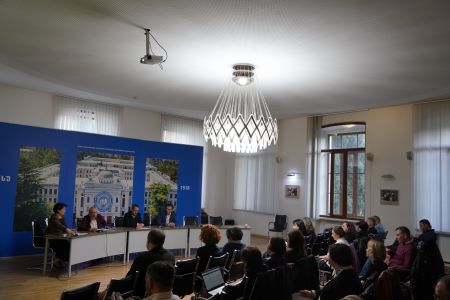
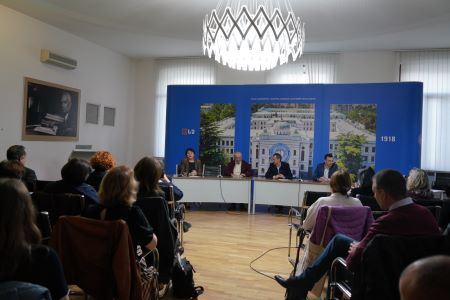
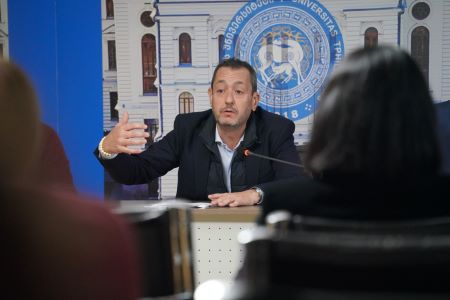
On 4-5 December 2025, Ivane Javakhishvili Tbilisi State University hosted the PRODIGE National Roundtable (NRT) within the PRODIGE - Digitalisation of Higher Education in Georgian Universities project, funded by Erasmus+. The two-day event gathered university leaders, academic staff, quality assurance authorities, and international experts to celebrate PRODIGE’s achievements and discuss the next phase of the project. Discussions highlighted concrete institutional changes-from innovative digital teaching practices and strengthened faculty capacities to governance reforms and strategic digital planning. A strong focus was placed on quality assurance in digital and hybrid education, as well as the responsible integration of artificial intelligence, aligning national developments with European standards and future-oriented frameworks.
International partners shared practical insights on inclusive digital education, employability-driven skills, and AI-supported learning environments. The National Roundtable marked a key milestone in consolidating PRODIGE results, strengthening partnerships, and positioning Georgia as an active contributor to the European digital higher education agenda, while supporting transparent and impactful reporting to stakeholders, including the European Education and Culture Executive Agency.
 |
 |
 |
 |
 |
 |
 |
 |
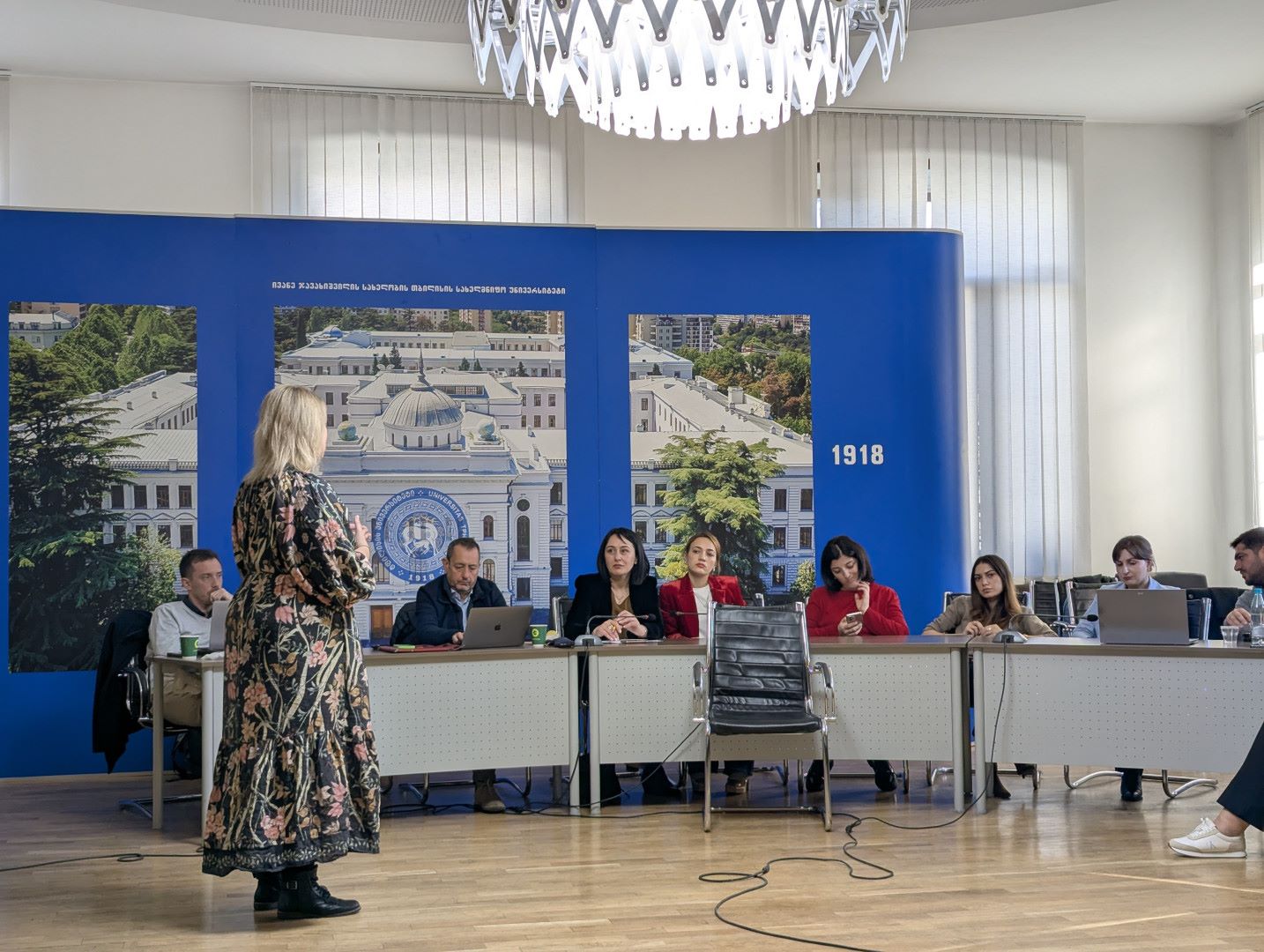
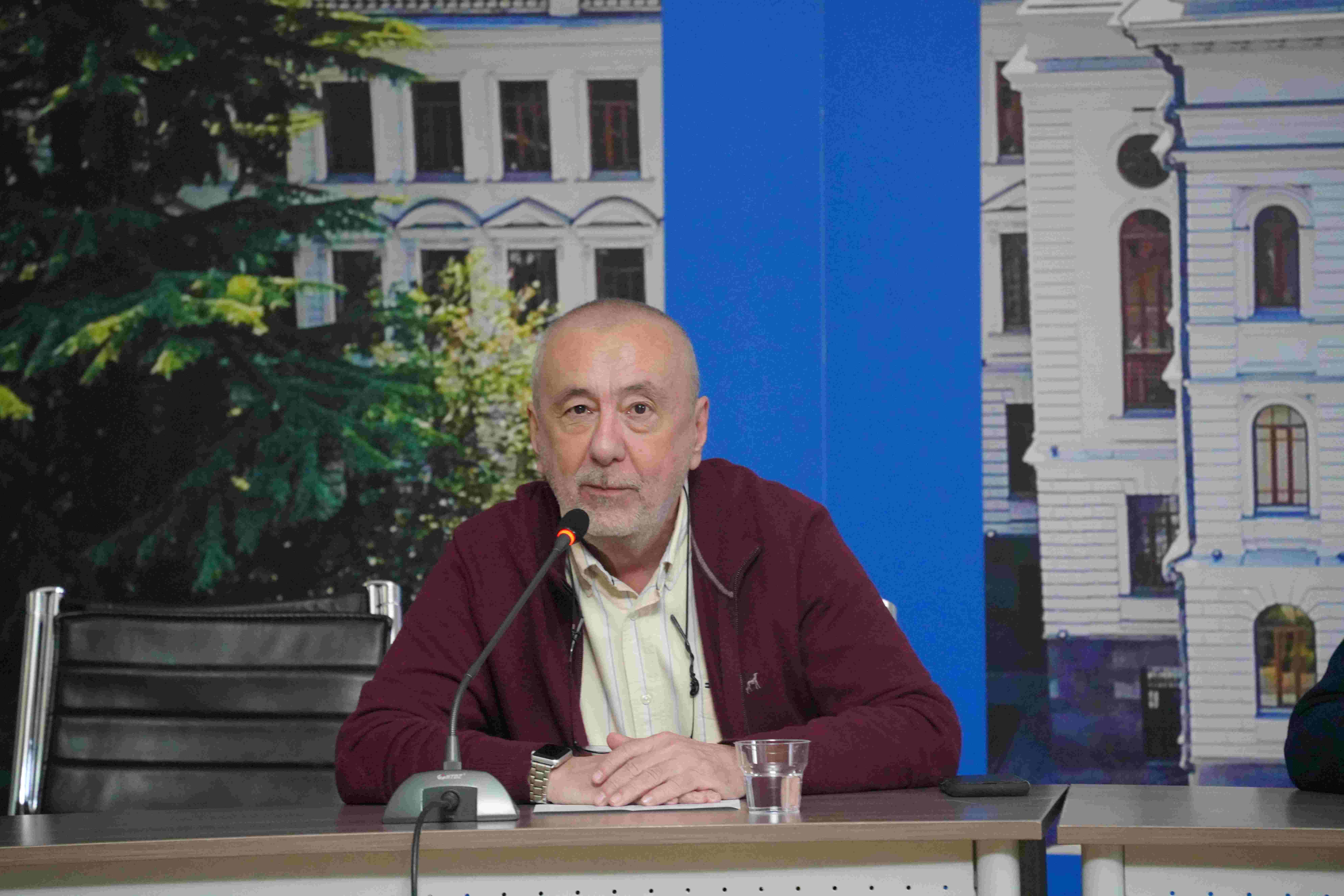 On December 1–3, 2025, within the framework of the Erasmus+ Institutional Development Program and the funded project Promoting Quality Digital Education in Georgia (PRODIGE), a series of intensive trainings was held at Tbilisi State University. Caucasus University was represented by Rusudan Sanadze, Irma Grdzelidze, Tinatin Davitashvili, Isabela Petriashvili, Marine Gognelashvili and Sopio Idadze. The training sessions were facilitated by representatives of Algebra Bernays University College (Croatia). The program focused on strengthening student and graduate employability in a Distance Education (DE) environment, enhancing the quality of remote learning, and advancing the overall digital culture within higher education institutions.
Throughout the three-day program, the participants explored essential thematic areas, including:
- Mapping digital competencies of students and university staff
- Applying contemporary approaches to digital teaching in practical settings
- Identifying stakeholders and designing effective project initiatives
- Sharing institutional experience and shaping a strategic vision for digital competence development.
The integration of theoretical knowledge with practical activities provided participants with valuable tools to foster student employability and to contribute to building a more flexible, innovative, and market-oriented digital learning ecosystem.
From October 6–24, 2025, within the framework of the Erasmus+ Institutional Development Programme–funded project “Promoting High-Quality Digital Education in Georgia” (PRODIGE), a new cycle of capacity-building training was organised for representatives of consortium member universities.
The training “T3.2 Training on Pedagogical Innovation and DE Course Design” was delivered by colleagues from Haute Ecole de Namur–Liège–Luxembourg (HENALLUX) and focused on innovative approaches to digital course design and contemporary teaching methods. As a result, these highly engaging training introduced participants to gamification and interactive learning design, using tools such as Genially, Mentimeter, Padlet, and Kahoot to explore new ways of fostering motivation, creativity, and meaningful learner engagement.
The training demonstrated how gamified and interactive methodologies can enhance student motivation, strengthen collaboration, and support deeper digital learning. This session marks another important step within PRODIGE toward strengthening digital pedagogy in Georgia. Upcoming project activities will continue to focus on capacity-building, pilot initiatives, and expanding collaboration across institutions to promote innovative teaching practices in higher education.
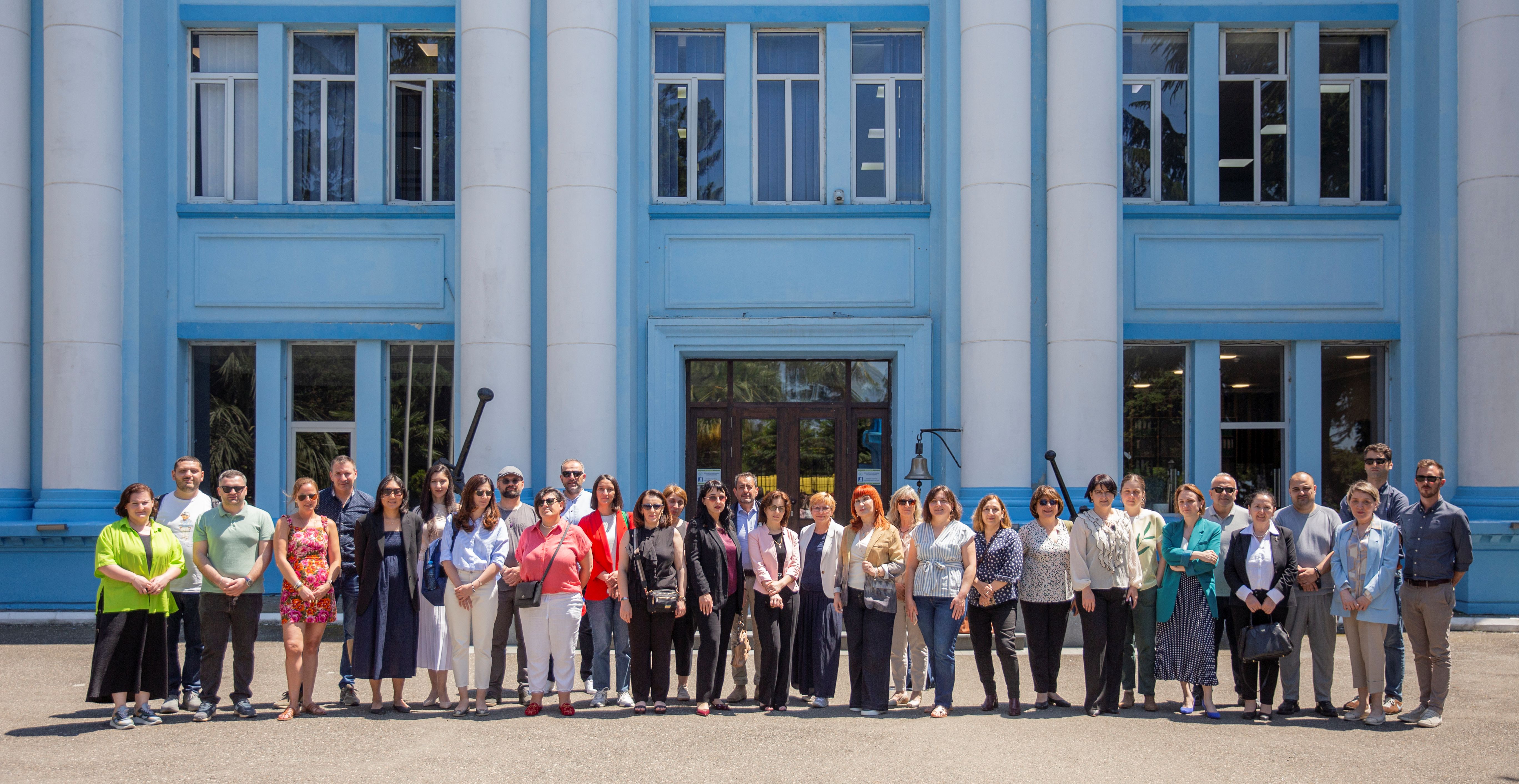
On June 19, 2025, T. Davitashvili, the representative of TSU Quality Assurance Service, participated in a management meeting hosted by Batumi State Maritime Academy (BSMA). The event was organized as part of the project “Promoting High-Quality Digital Education in Georgia” (PRODIGE). The agenda was focused on reviewing the progress of ongoing work packages, aligning upcoming project activities, and coordinating inter-institutional responsibilities. Discussions addressed the effective implementation of digital education practices across Georgian higher education institutions, with particular attention to project governance and sustainability of results. This meeting served as an important step in strengthening cooperation among Georgian partners and ensuring the efficient realization of project objectives. The exchange of institutional experiences and constructive planning contributed to a clearer understanding of future priorities within the PRODIGE framework.
The PRODIGE project, implemented through the Erasmus+ programme and supported by a consortium of European universities, aims to enhance digital higher education standards in Georgia, develop supportive legislative and institutional frameworks, and foster a culture of digital transformation across the sector.
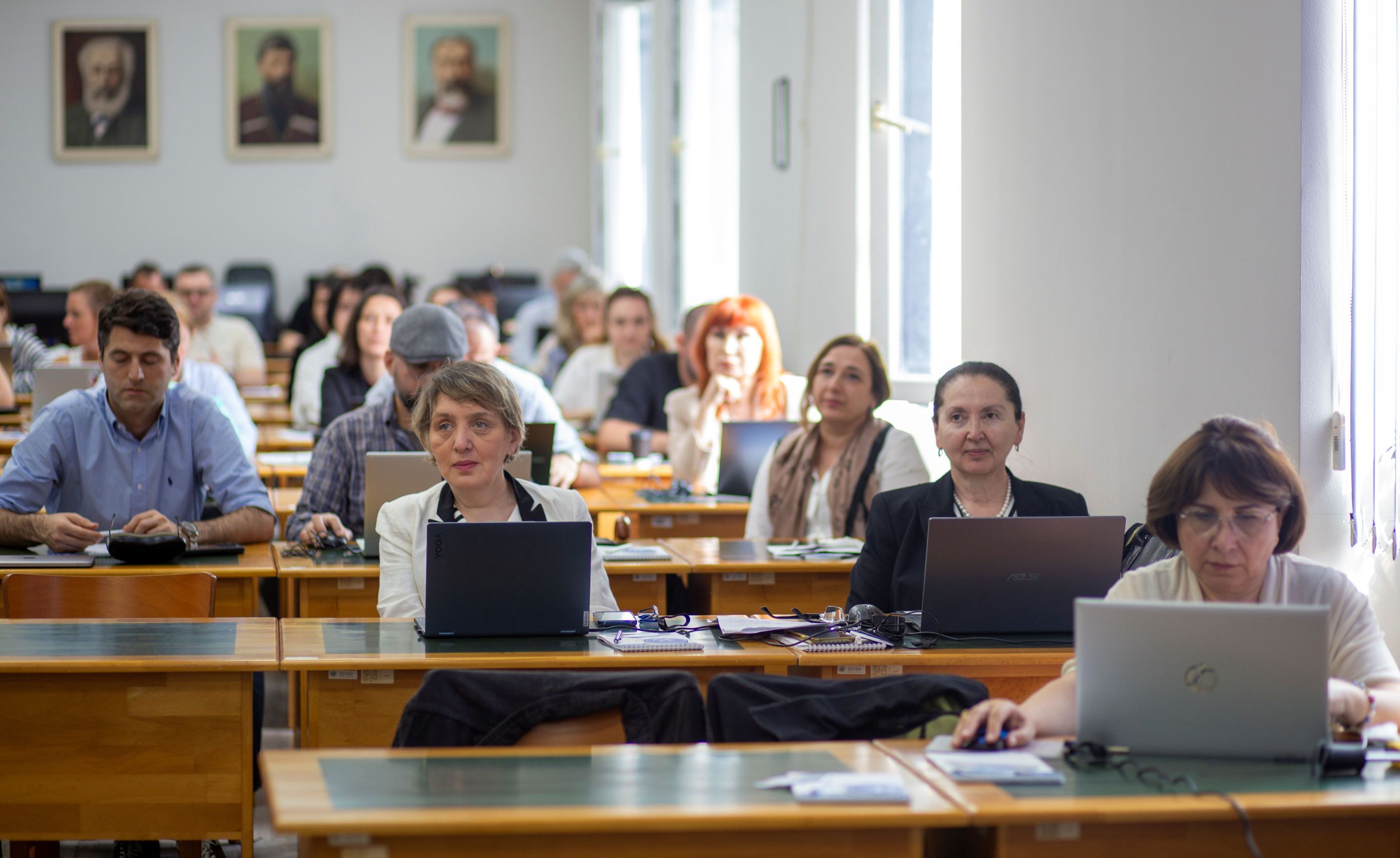
Educators from across Georgia convened at the Batumi State Maritime Academy from June 16–18, 2025, for a PRODIGE project seminar led by experts from TalTech and Gori State University focused on modern digital pedagogy. The three-day training strengthened participants’ skills in digital teaching, featuring expert lectures, university-led showcases, and workshops on inclusive and innovative online education practices. The event marked another step forward in enhancing the quality and accessibility of digital education across Georgian higher education institutions.
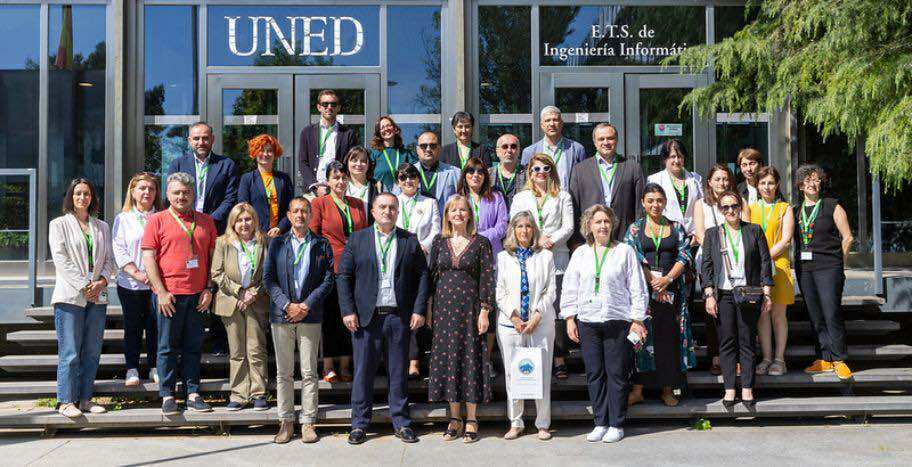 On May 26-30, 2025, the visit to the National University of Distance Education (UNED) in Madrid was conducted within the framework of the PRODIGE project (“Promoting High-Quality Digital Education in Georgia”). The primary objective of these meetings was to explore European best practices in the field of digital higher education and to engage in consultations on the prospects for advancing this domain in Georgia. Representatives of Caucasus University contributed to discussions on a range of topics, including quality assurance systems in digital teaching, strengthening the institutional capacities of higher education institutions, and supporting policy reforms in digital education. This visit represents a significant initiative in terms of defining strategic approaches aligned with European standards and fostering the exchange of professional expertise.
The PRODIGE project, implemented within the framework of the Erasmus+ programme through the involvement of European institutions and a dedicated consortium, brings together ten higher education institutions. The project aims to enhance digital higher education standards in Georgia, improve the relevant legislative framework, and support higher education institutions in their digital transformation efforts.
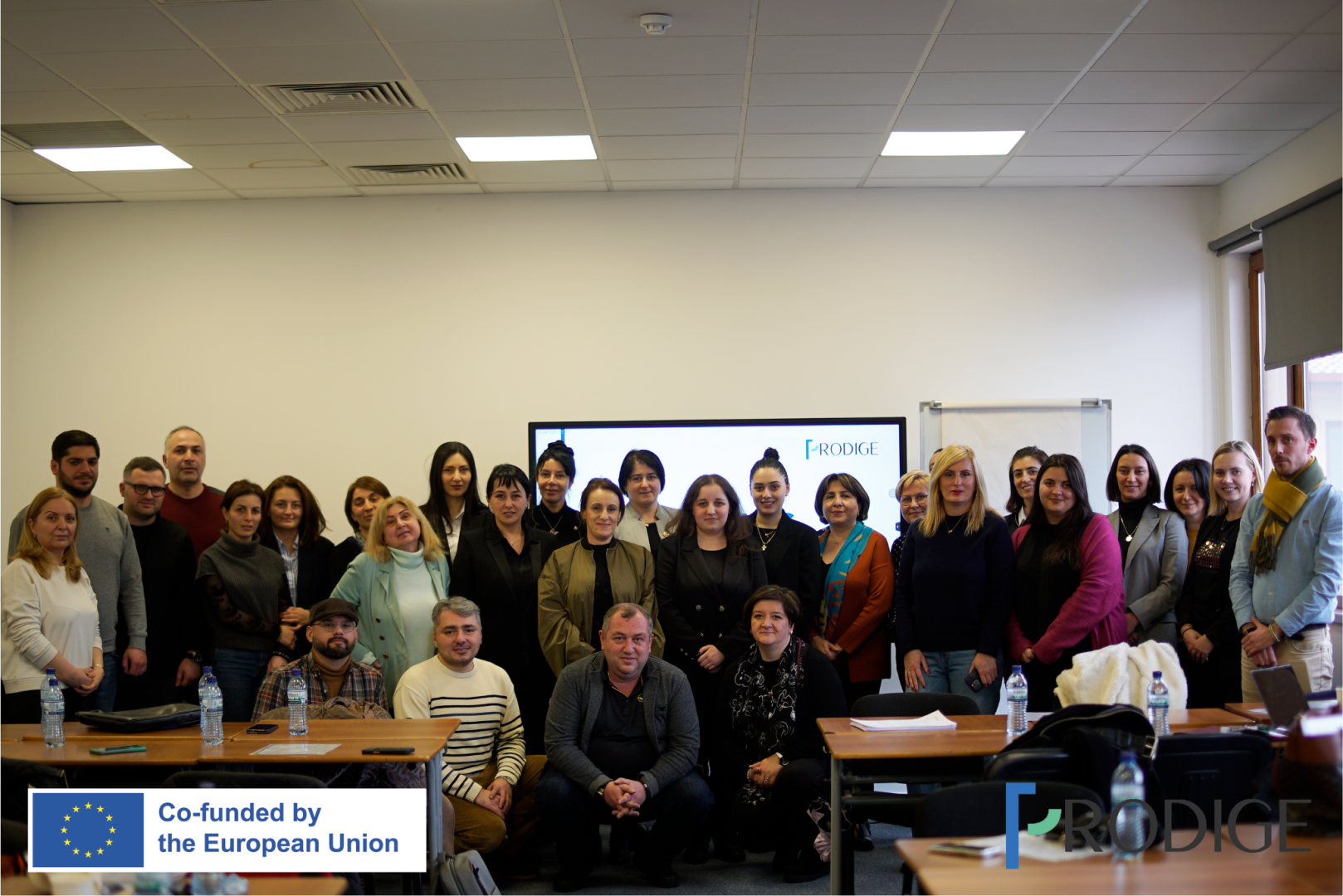
 Between March 19 and April 11, 2025, 15-hour online training “Digital Education Potential for Inclusion and Lifelong Learning“ was conducted within the framework of the PRODIGE project (“Promoting High-Quality Digital Education in Georgia”). From TSU the training completed I.Grdzelidze, R.Sanadze and T.Davitashvili. The programme was focused on identifying the potential of digital education to support inclusive learning environments, expand accessibility, and enhance lifelong learning opportunities. Participants explored best European practices, innovative digital teaching methodologies, and approaches to designing learner-centred, equitable, and flexible educational pathways. Through interactive sessions, case-based discussions, and practical exercises, the training enabled participants to gain new perspectives on integrating inclusive digital practices at institutional level and aligning them with national policies and European standards.
Caucasus University hosted a three-day series of training sessions on February 4–6 as part of the Erasmus+ Institutional Development Program project Promoting High-Quality Digital Education in Georgia (PRODIGE). Led by experts from Tallinn University of Technology, the sessions introduced consortium representatives to key themes in digital education, including flexibility and accessibility, the use of AI and AR/VR technologies, adaptive learning, international best practices, and quality assurance frameworks. These introductory trainings mark the beginning of a broader set of project activities that will include further capacity-building sessions, job shadowing, policy development, and collaborative events aimed at strengthening digital education across Georgia.
The PRODIGE project is implemented with the support of the Estonian Quality and International Accreditation Agency and an international network of partner universities. It brings together the Ministry of Education, Science and Youth of Georgia, the National Center for Educational Quality Enhancement, ten Georgian higher education institutions, and partner organizations from Belgium, Estonia, Spain, and Croatia, under the coordination of EFMD.
 |
 |